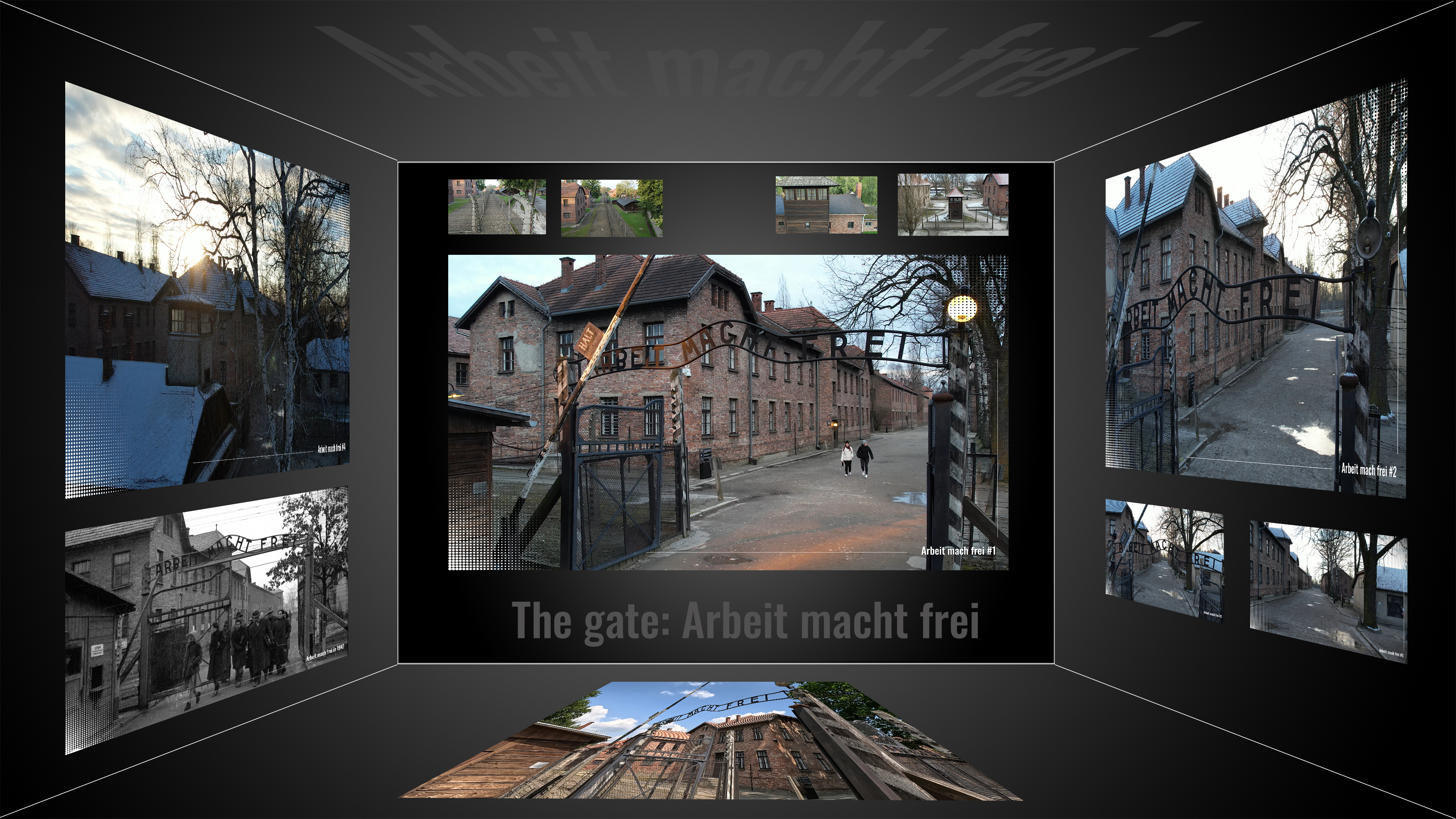
New On-Site Phase
The educator travels directly to the host venue and conducts the Auschwitz Virtual Tour live in front of the audience.

Auschwitz Virtual Tour in your institution
Auschwitz Virtual Tour On-Site is an extension of the online Auschwitz Virtual Tour - it simply brings Auschwitz directly into your classroom. A live educational session brought directly to your school, university, museum, community center or public institution. The educator travels to the host venue and conducts the Auschwitz Virtual Tour in front of the audience.
The Auschwitz Virtual Tour was created during the pandemic as a response to the impossibility of visiting Auschwitz in person. Now, however, we are taking the project to the next level and bringing “Auschwitz” out into the world.
Photographs, video clips, 360-degree panoramic images, historical materials, and Prezi presentations are combined into a powerful multimedia experience, narrated live by me in classrooms, lecture halls, and other educational spaces. The program is designed for a wide range of audiences, including students, teachers, politicians, policymakers, and military personnel. Each Auschwitz session is adapted individually to the needs, background, and perspective of the specific audience.
Photo from an on-site session: Auschwitz Virtual Tour brought directly to a local audience in Savannah. For privacy and legal reasons, the photographs were taken after the session, once the audience had left. Publishing images of participants would require their consent, and we wanted to respect the fact that some individuals might prefer not to appear in publicly shared materials.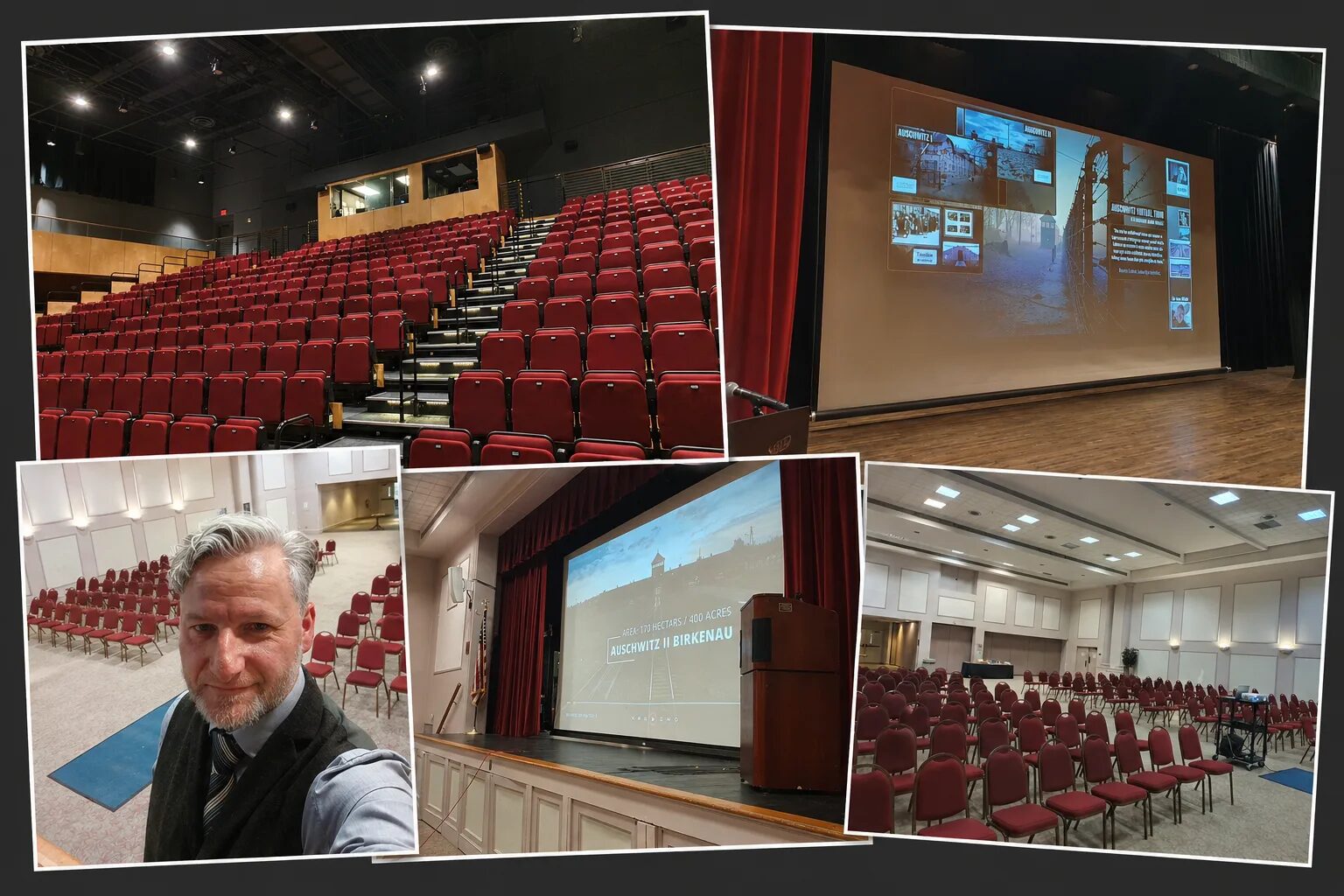
The Special One-Week Educational Residency is designed for institutions and communities that want to go beyond a single lecture or presentation. Over the course of several days, the host institution can organize up to 10 large-format Auschwitz Virtual Tour On-Site sessions, each adapted to a different audience. The residency can take place at any time of the year and can be built around the institution's academic calendar, educational priorities, commemorative dates, professional development programs, or community events.
Rather than bringing one audience to Auschwitz, the residency brings Auschwitz to many different audiences within one community. Each session is conducted live by the educator at the host venue. Participants are guided through the history and topography of Auschwitz I and Auschwitz II-Birkenau using virtual panoramas, archival photographs, maps, historical documents, survivor testimonies, film material, and multimedia presentations.
The physical presence of the educator changes the character of the experience. Participants are not simply watching an online presentation. They are taking part in a live educational encounter in which narration, historical material, questions, discussion, and reflection become part of one shared experience.
The educator travels directly to the host venue and conducts the Auschwitz Virtual Tour live in front of the audience.
The same historical foundation can be adapted to age groups, educational levels, professional backgrounds and local needs.
Auschwitz Virtual Tour On-Site
During several days, the host can organize up to ten live sessions, each prepared for a different audience.
Sessions can serve students, teachers, museums, communities, public officials, security groups, businesses and the public.
Panoramas, archival photographs, maps, documents, testimonies, film materials and multimedia presentations support narration.
The program preserves Holocaust specificity while opening questions about responsibility, choices and institutions today.
The residency can run as a five-day program with one to two sessions per day, adjusted to institutional capacity.
The residency can become an intensive week of history, education, dialogue, remembrance and reflection.
A flexible residency structure, usually built around one to two sessions per day.
360-degree panoramas, documents, maps, photographs, testimony and film material.
Each session can include questions, moderated conversation and reflection.
The host provides a suitable hall, large-screen projection, sound and local support.
Sample Itineraries
Model A
A public introduction to the Auschwitz Virtual Tour On-Site format, followed by a large-format session on Auschwitz as a historical place and a central symbol of the Holocaust.
Morning session for students on persecution, deportation and the camp system; afternoon session for teachers on responsible Holocaust education, source work and difficult classroom questions.
A seminar-style session for higher education audiences, adult learners or museum groups connecting Auschwitz topography with archival sources, testimony and historical interpretation.
An evening program for community organizations, interfaith groups and cultural institutions focused on memory, moral choices and the responsibility of witnesses today.
Focused sessions for civic, public-service, business or professional audiences, ending with a closing reflection on remembrance, responsibility and prevention.
A weekend session for parents and guardians focused on how families can support young people in learning about Auschwitz, the Holocaust and the ethical questions raised by this history.
Model B
Introductory briefing for teachers and school staff, followed by a first student session explaining Auschwitz I, Auschwitz II-Birkenau and the historical process leading to deportation.
Two age-adapted sessions for school groups, using panoramas, maps, archival photographs and testimony to build historical understanding without reducing the visit to spectacle.
Workshops for history, civics or humanities classes focused on documents, visual evidence, survivor testimony and the careful use of historical language.
Student sessions centered on prejudice, dehumanization, conformity, indifference and individual choices, with time for moderated questions and guided reflection.
A final large-format school session bringing several classes together, followed by smaller reflection meetings for students and teachers planning post-visit educational work.
A school-hosted session for parents and guardians focused on student questions, emotional preparation, historical context and responsible family conversation after the program.
What it includes
Panoramic views, maps, photographs and visual materials guide the audience through Auschwitz I and Auschwitz II-Birkenau.
The educator controls the pace, explains context, responds to the group and connects places with broader historical processes.
The session includes space for questions, reflection and conversation with students, teachers or community members.
Explore dates and plan an educational residency at your institution.
Book a residence visitHow it works
The host institution defines the audience, goals, preferred date and venue.
We agree the session length, technical requirements, travel plan and educational focus.
The host provides a screen or projector, sound system, internet connection and room arrangement.
The educator conducts the live session on stage or in the classroom, followed by questions.
Recent and future visits
From online access to direct public engagement
The sessions in Savannah were a great example of how powerful the on-site format can be. We met in a large cinema-style auditorium with around 120 participants, which created a completely different atmosphere from a standard classroom or online session. The presentation worked extremely well on the large screen, but what made the experience especially strong was the interaction with the audience. People were fully engaged, the discussion felt very natural, and the questions were thoughtful, challenging, and often deeply personal. It was exactly the kind of setting in which the Auschwitz Virtual Tour becomes more than a presentation - it becomes a shared educational experience.
Use cases
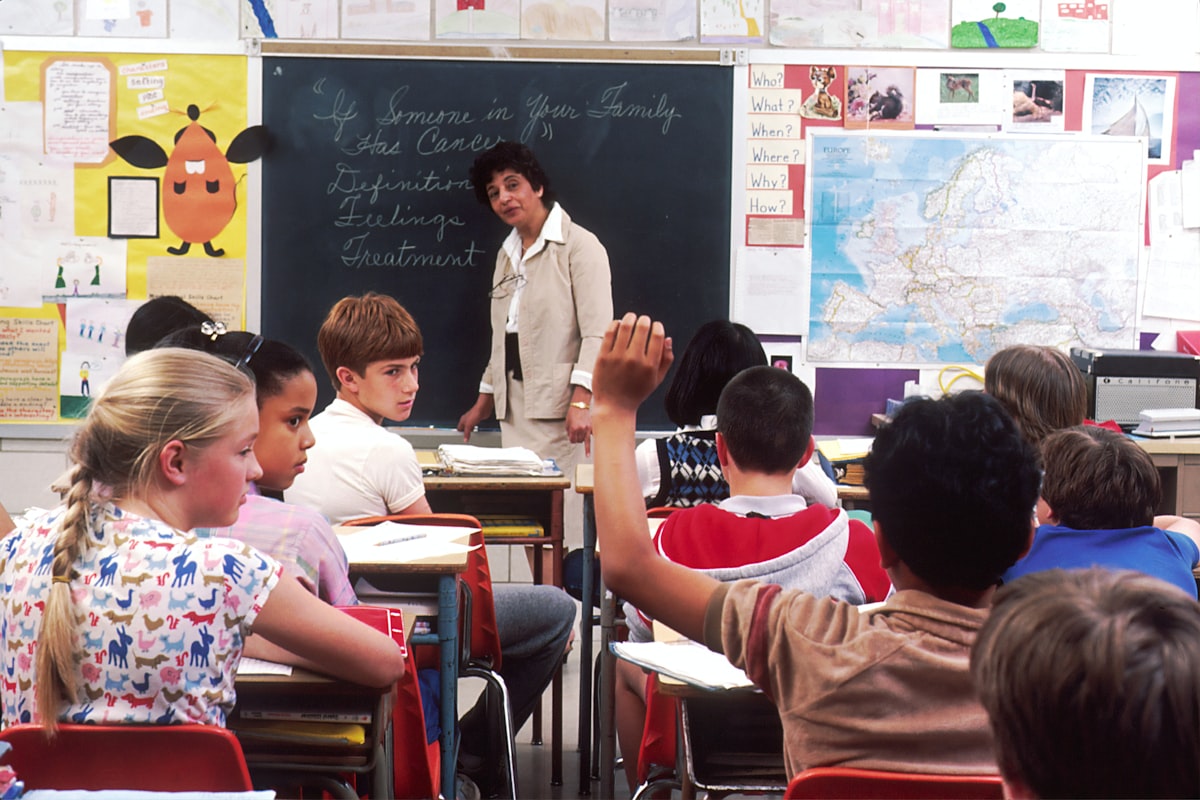
For assemblies, history classes, special education days and Holocaust remembrance programs.

For lectures, seminars, teacher training and interdisciplinary courses.
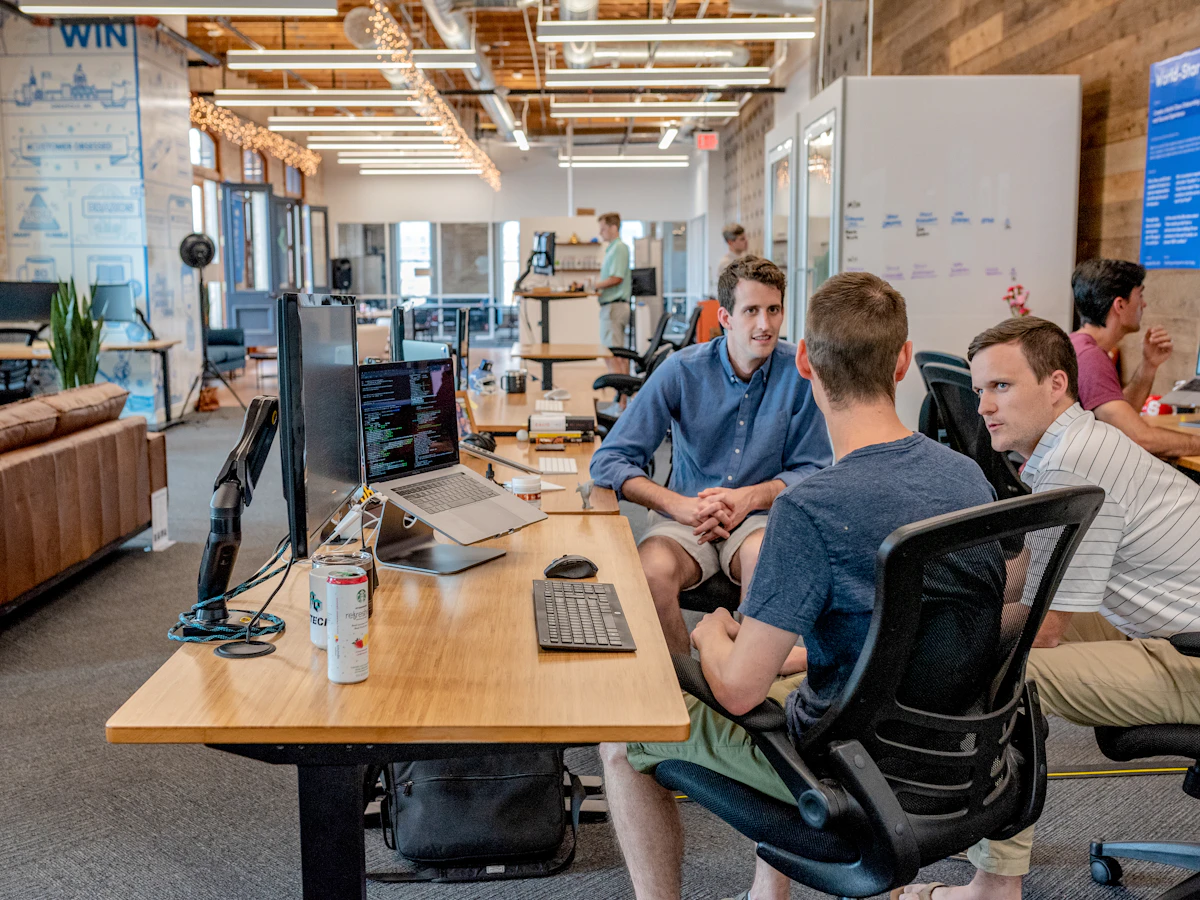
For museums, public administration, civic organizations and professional groups.
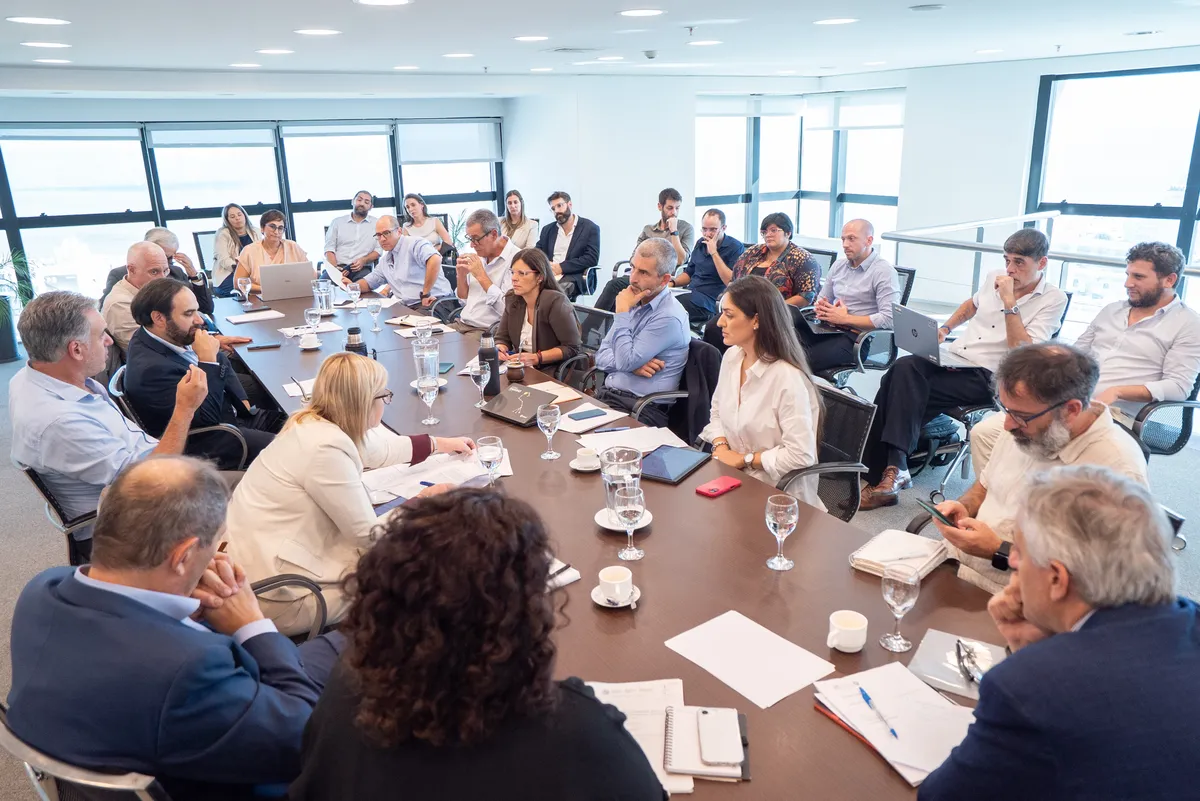
For local communities, interfaith groups and public memorial events.
Invite Auschwitz Virtual Tour On-Site
Contact us to discuss the audience, date, venue, technical setup, travel logistics and educational goals.