01
Auschwitz
Study Visit
Guided in-person visits to Auschwitz-Birkenau with expert guides and historical context.
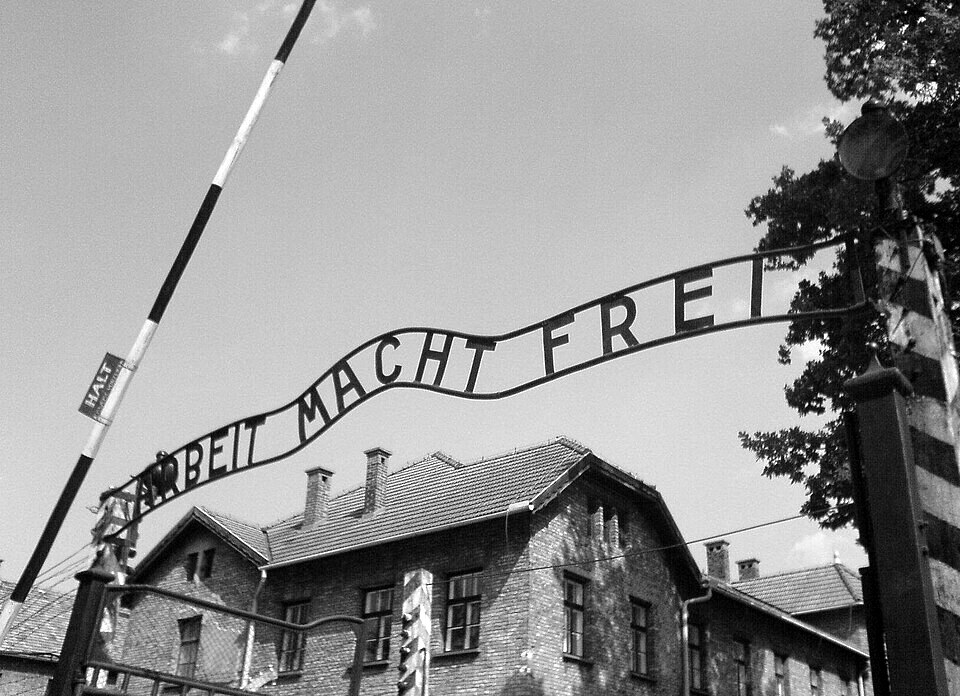
Expert
GuidesHistorical
ContextSmall
Groups
Book the tour through Auschwitz GuidesHistorical
ContextSmall
Groups

Holocaust Memorial Partnership
Auschwitz – A New Chapter focuses on understanding the processes and mechanisms that made Auschwitz possible—and identifying how those same mechanisms have appeared, and continue to appear, in other atrocities around the world.
Learn more about Auschwitz-NovaGuided in-person visits to Auschwitz-Birkenau with expert guides and historical context.
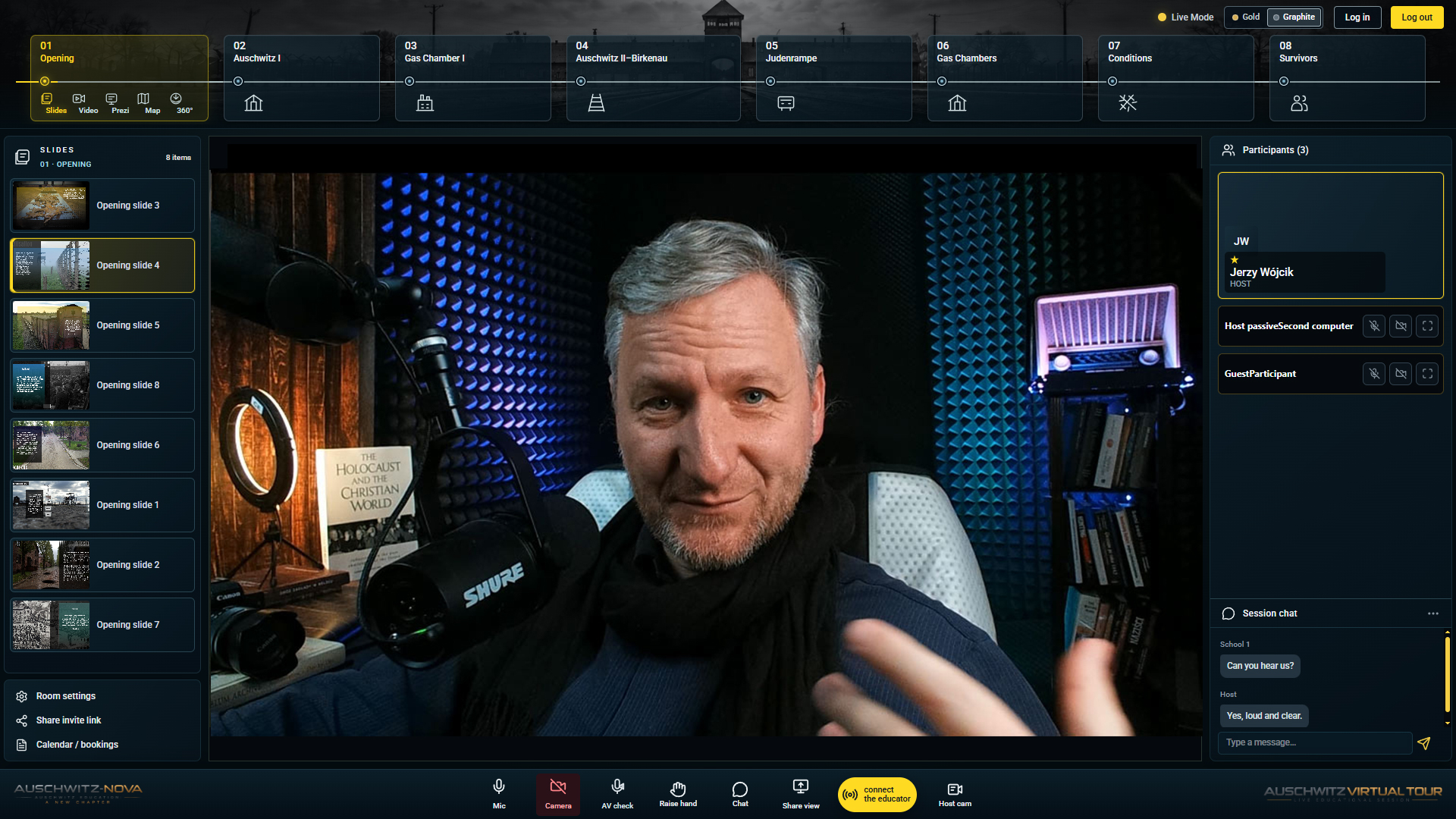
Live, interactive online tours that connect classrooms and communities worldwide.
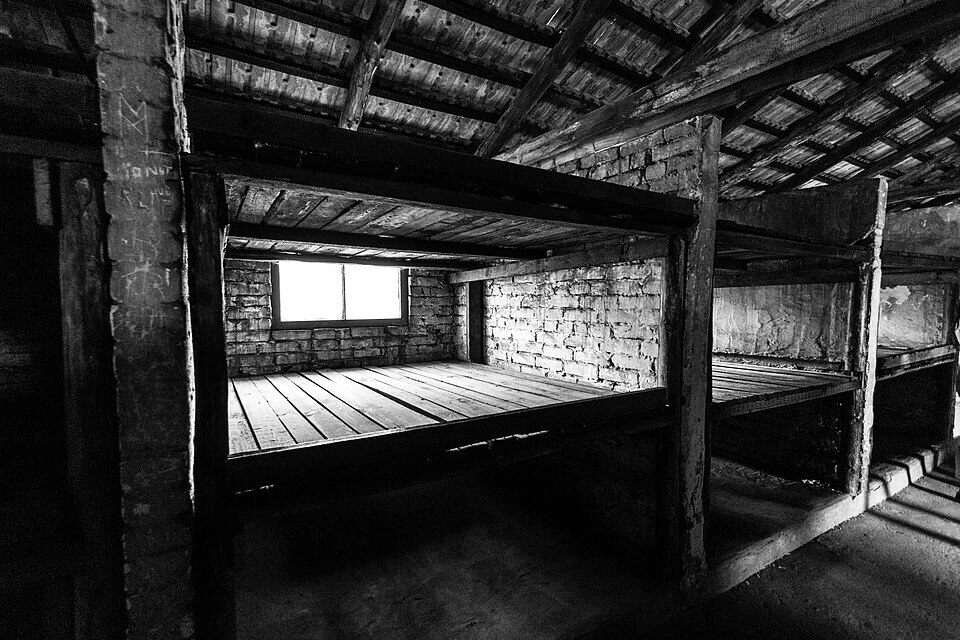
Bringing Auschwitz to your classroom.
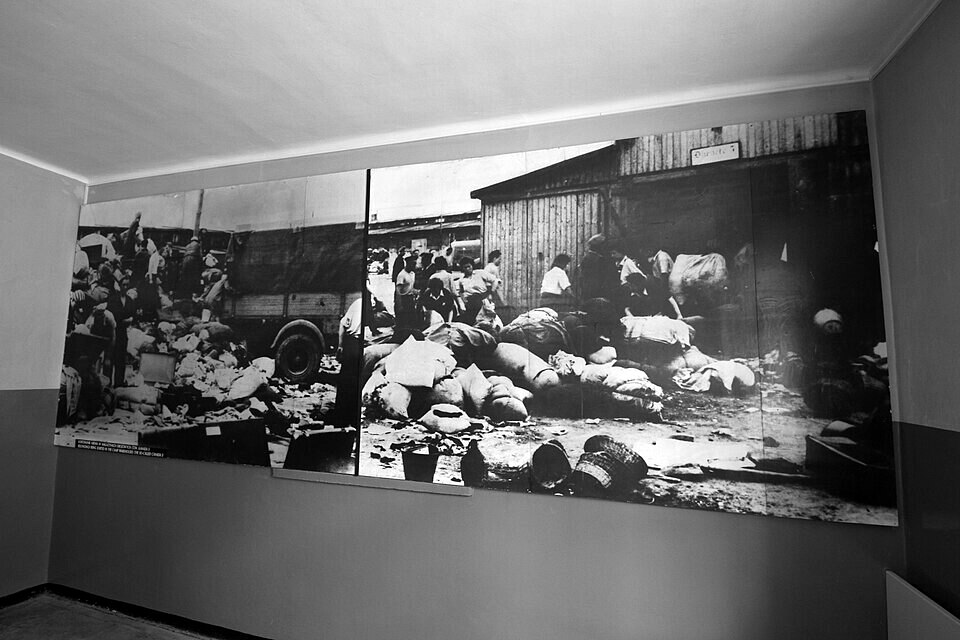
Educational programs for
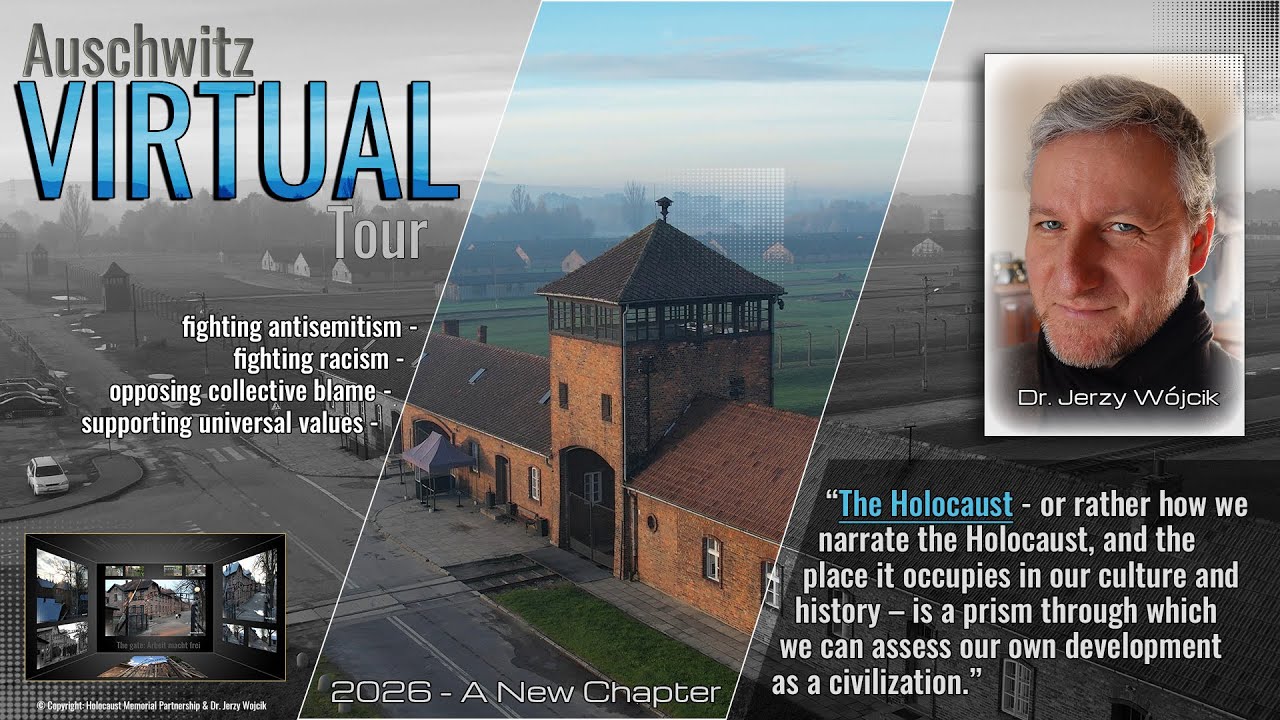
PROMO VIDEO
Many people ask whether sessions like the Auschwitz Virtual Tour really make a difference. The answer can be found in the letters from young participants.
The idea that the lessons of the Holocaust belong to all people, everywhere, crossing borders, cultures and time.
Every individual has inherent worth and must be treated with respect.
Auschwitz challenges us to confront hatred, prejudice and injustice in our own time.
Auschwitz-Nova Educational Approach
When people are divided into "us" and "them," indifference can lead to injury, persecution and atrocity.
We all share responsibility to uphold human dignity and protect one another.
Education builds awareness, empathy and the courage to stand against injustice.
The Holocaust calls us to reflect on our choices and act with integrity and compassion.
Build inclusive societies where diversity is valued and rights are protected for all.
Auschwitz remains the epicenter of the Holocaust — a place where we confront both the uniqueness of the genocide and the universal mechanisms that made it possible. It offers answers, but it also holds up a mirror to our own time. The question is whether we are willing to look into this mirror.
Dr. Jerzy Wójcik
The Auschwitz Virtual Tour is not only a way to teach the history of Auschwitz. It is also a framework through which many broader questions of civilizational importance can be explored: dehumanization, moral responsibility, obedience, law, institutions, propaganda, professional ethics, indifference, and the fragility of democratic and social safeguards.
The historical core of each session remains the same, but the emphasis changes depending on the audience. Students, teachers, business leaders, public officials, or military professionals all encounter the history of Auschwitz, yet each group is invited to reflect on different dimensions of that history. For students, the focus may be on choices, peer pressure, exclusion, and responsibility. For teachers, on how to communicate difficult history and connect individual stories with wider historical processes. For business and professional audiences, the discussion can move toward institutions, bureaucracy, professional responsibility, ethical decision-making, and the consequences of separating competence from morality.
In this sense, Auschwitz becomes more than a historical site. It becomes a lens through which we can examine how modern societies function, how institutions respond under pressure, and how ordinary people make decisions within systems that may gradually become unjust or destructive.
7 Target Groups
Understanding mechanisms of exclusion, dehumanization and responsibility.
Tools, context and guidance for discussing difficult history with students.
Ethics, organizational culture and institutional responsibility.
Power, hate speech, institutional erosion and responsibility for public decisions.
Orders, obedience, dignity and responsibility in security contexts.
Language, images, narratives and responsible communication.
Law, procedures, dignity and prevention through public service.
Resources
Resources
Featured Video
In partnership with
Map
Partner institutions
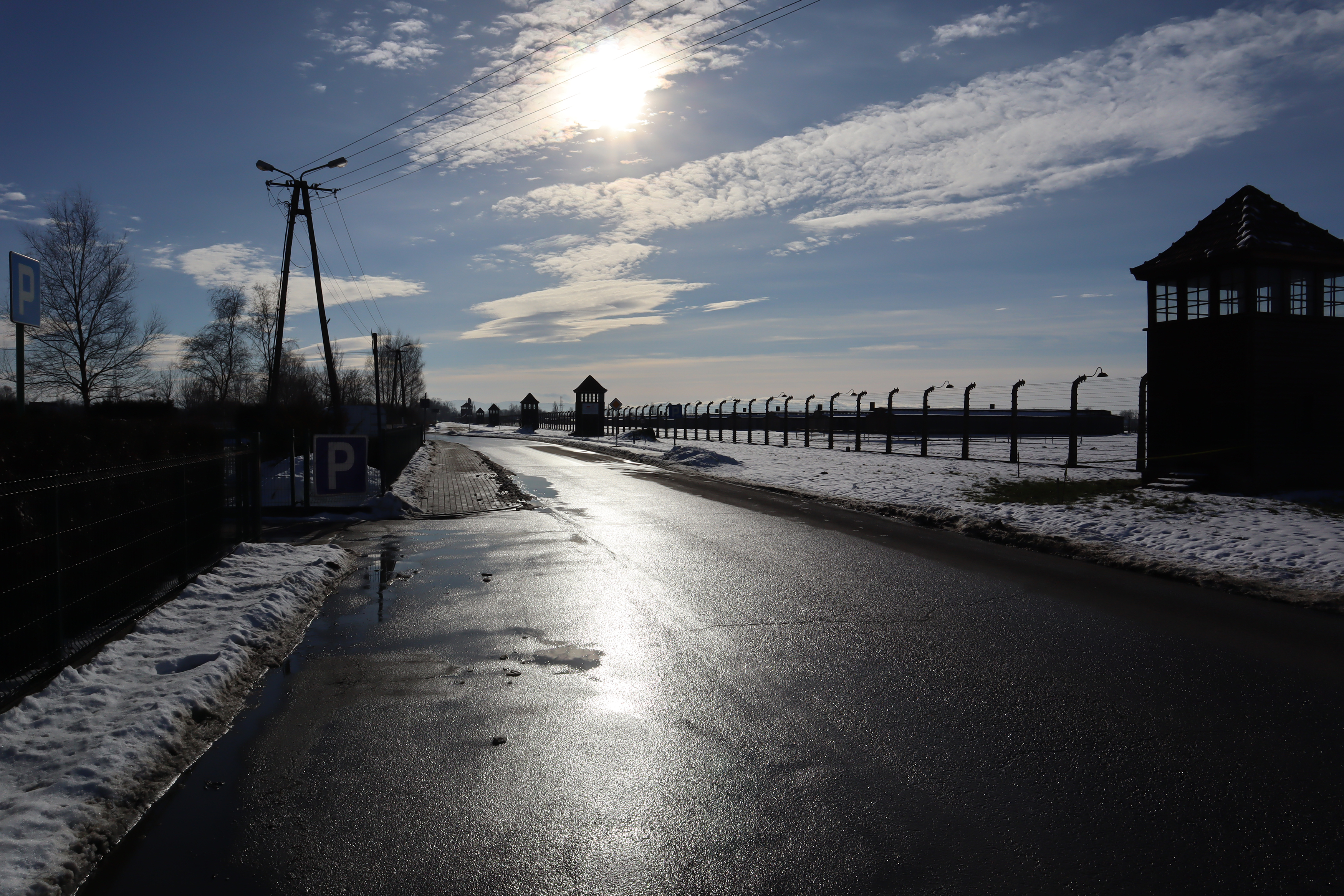
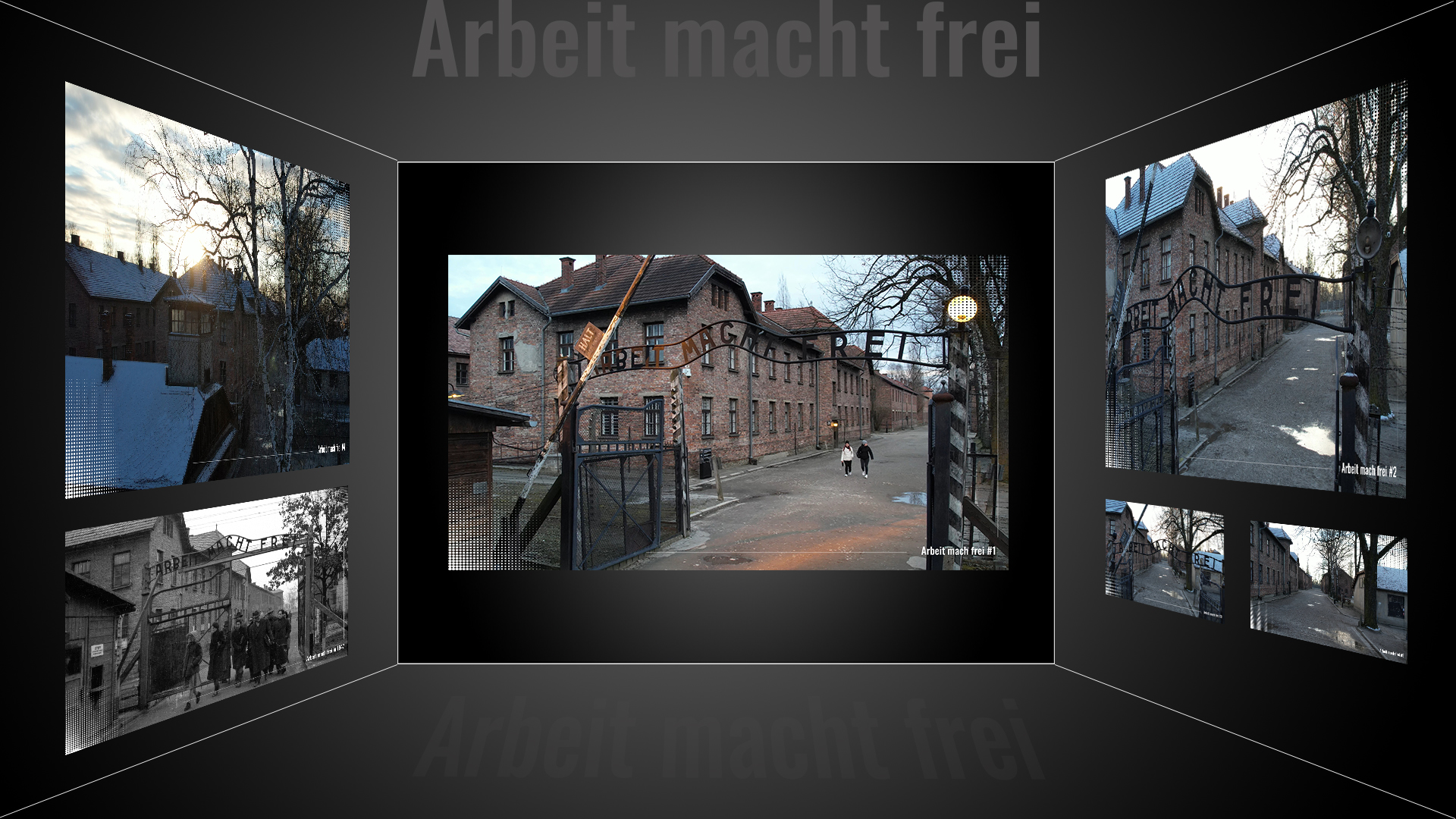 Photo Slider 01
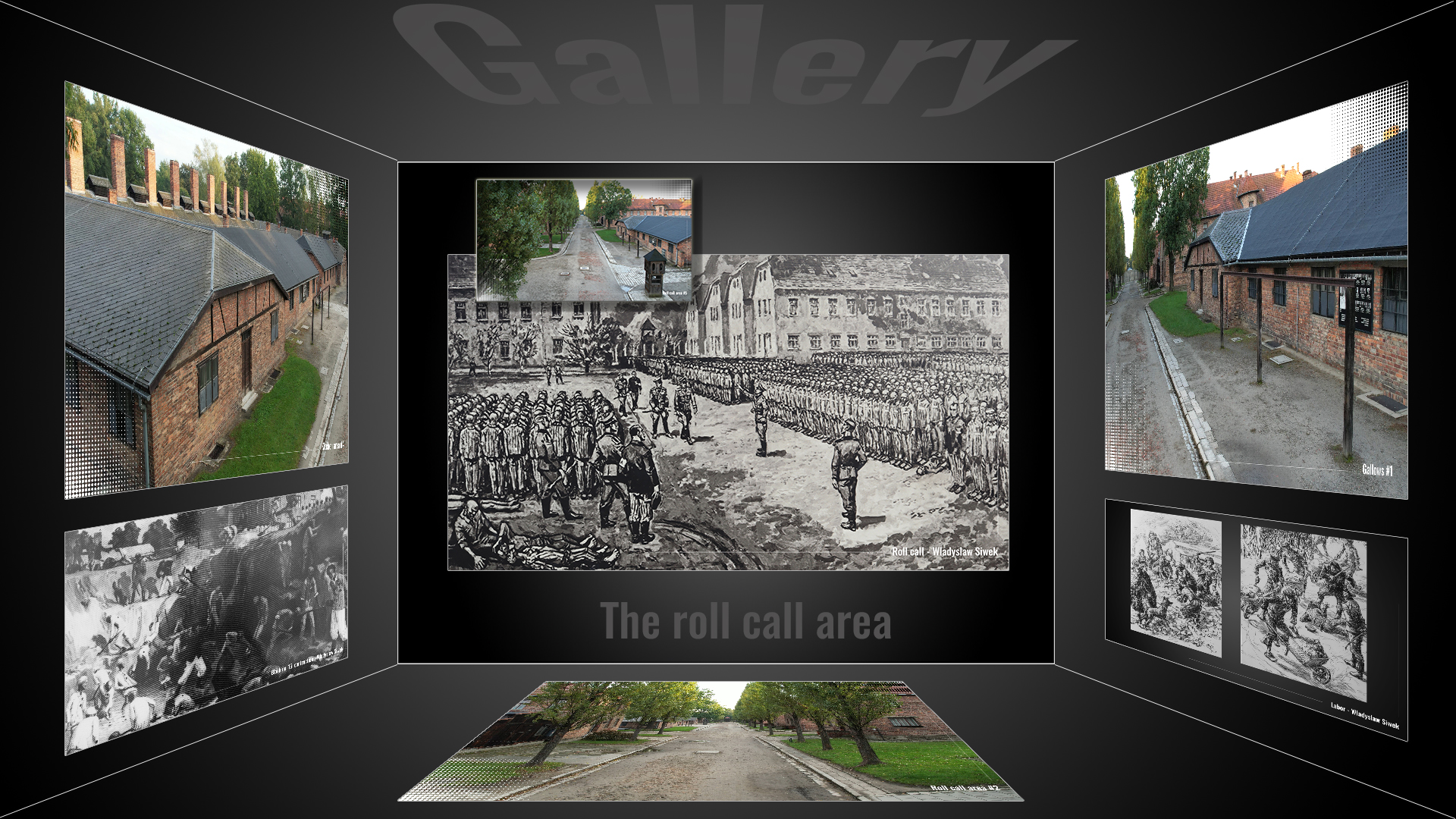 Photo Slider 02
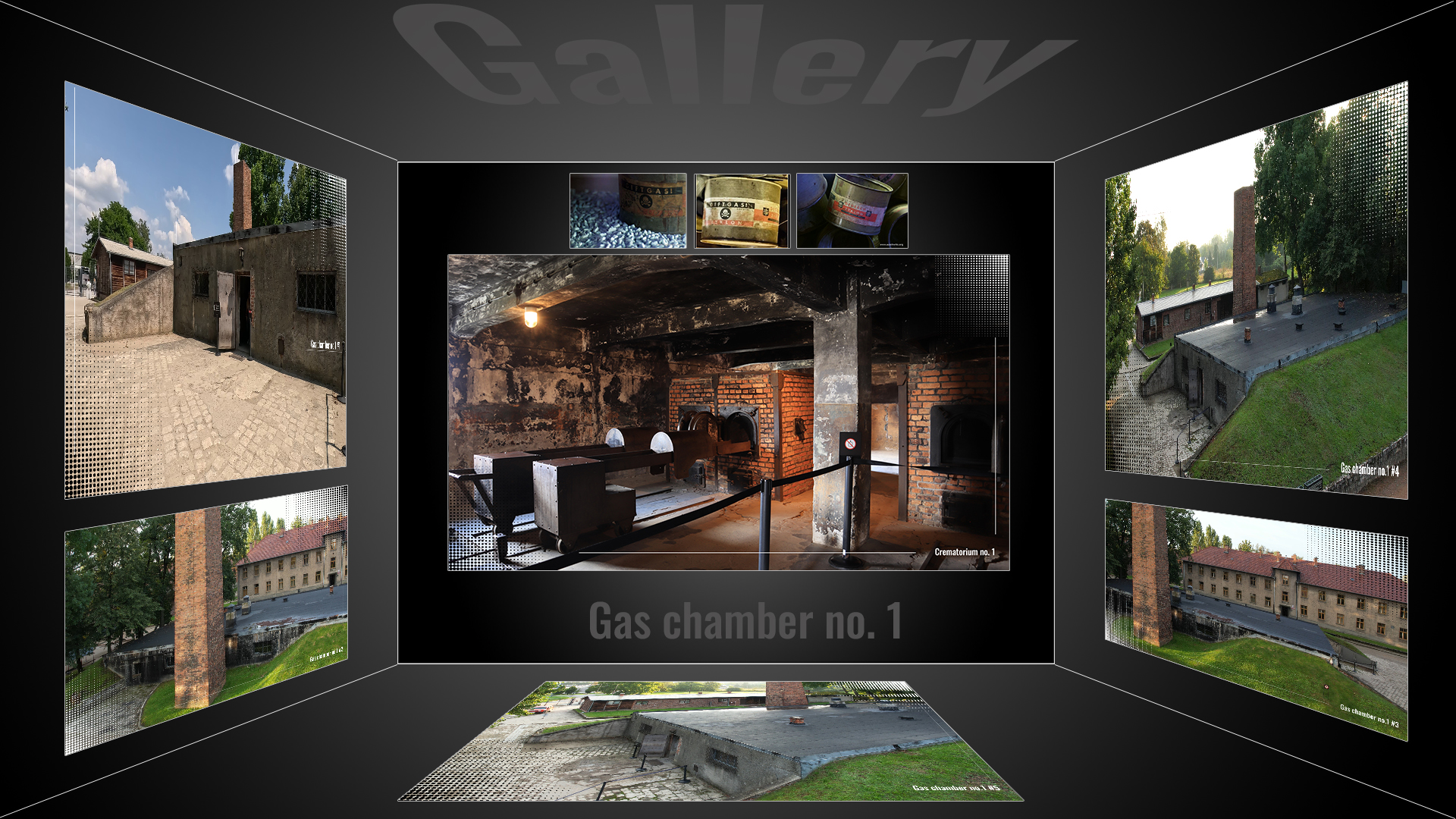 Photo Slider 03
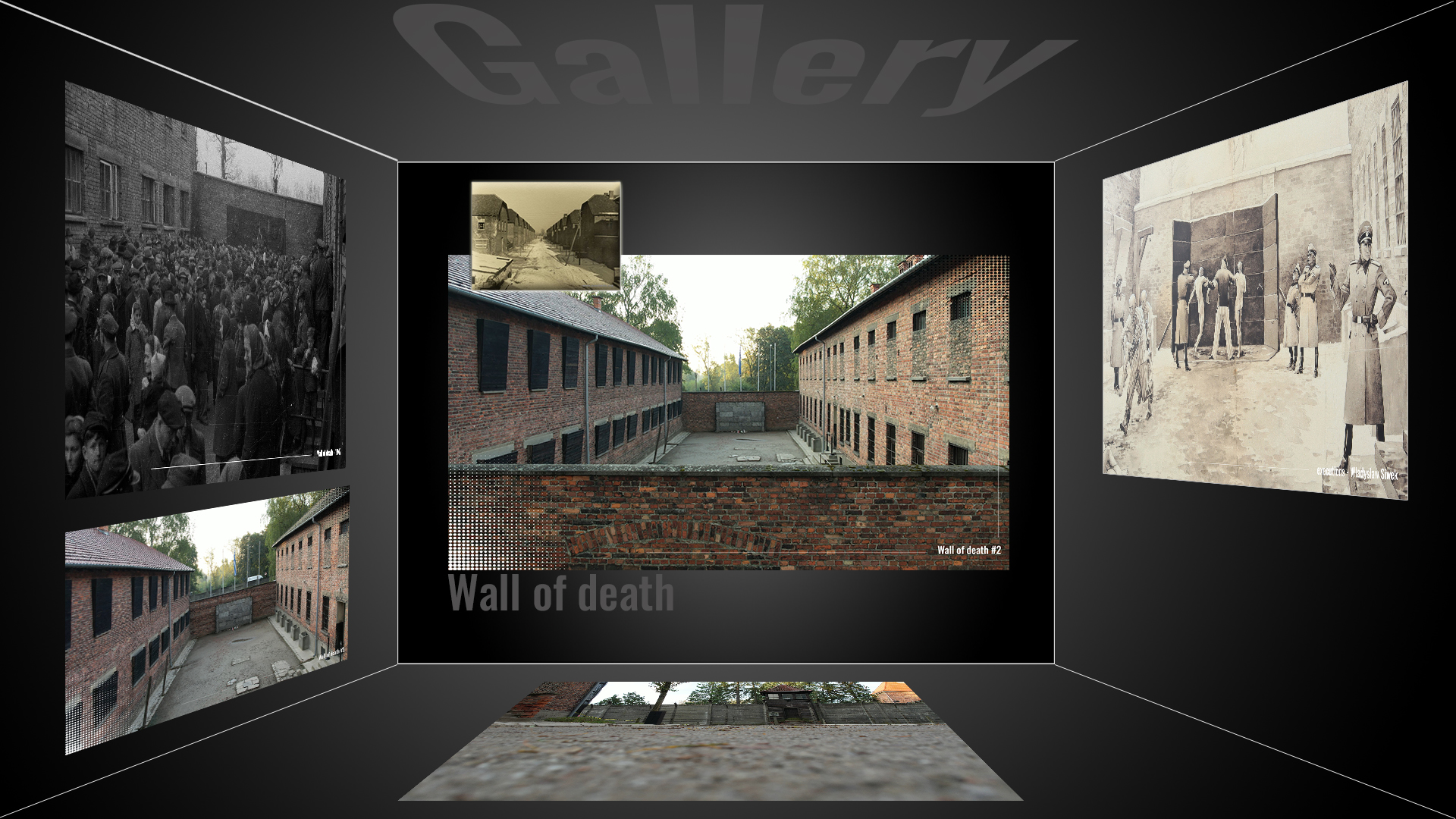 Photo Slider 04
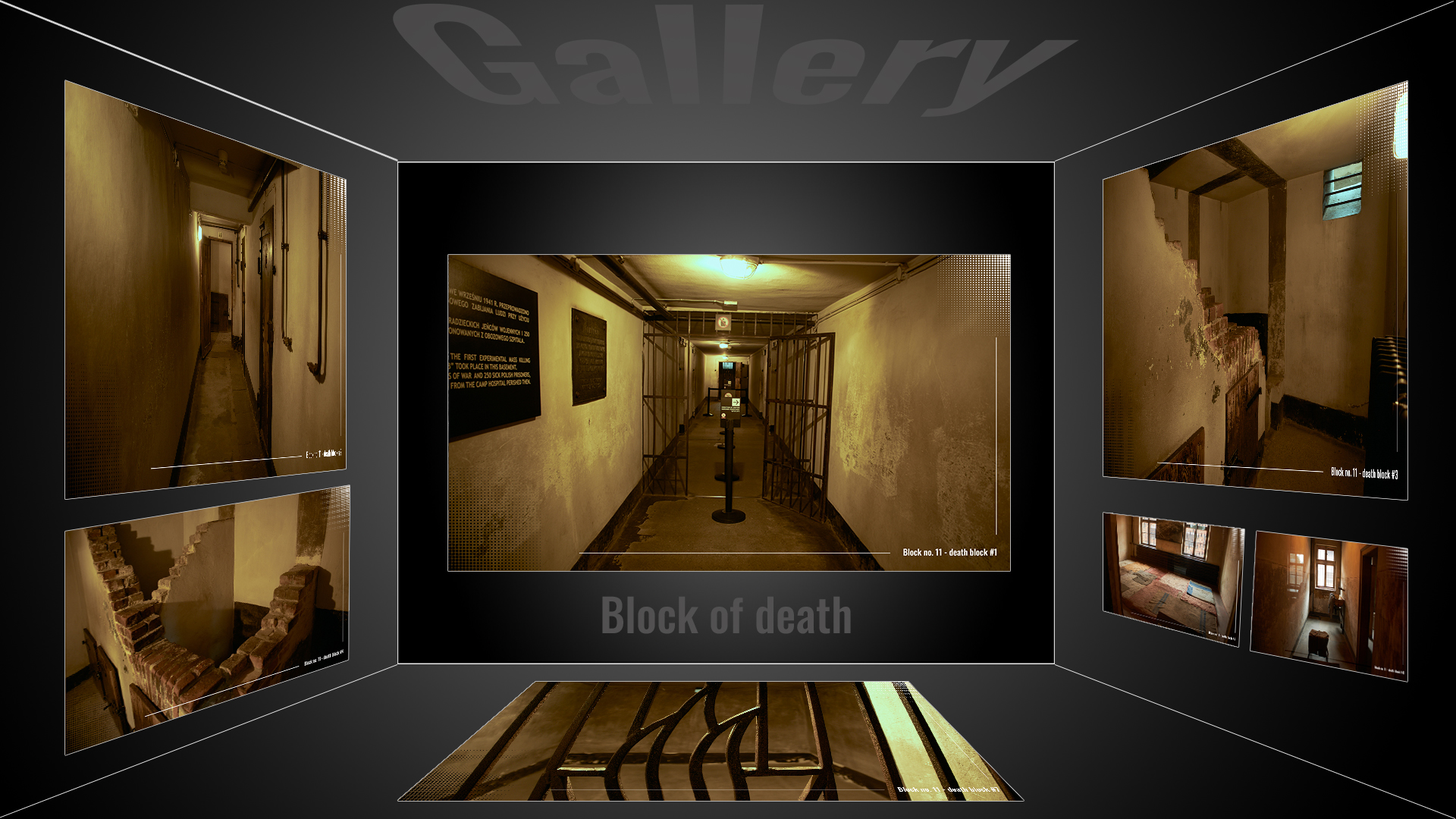 Photo Slider 05
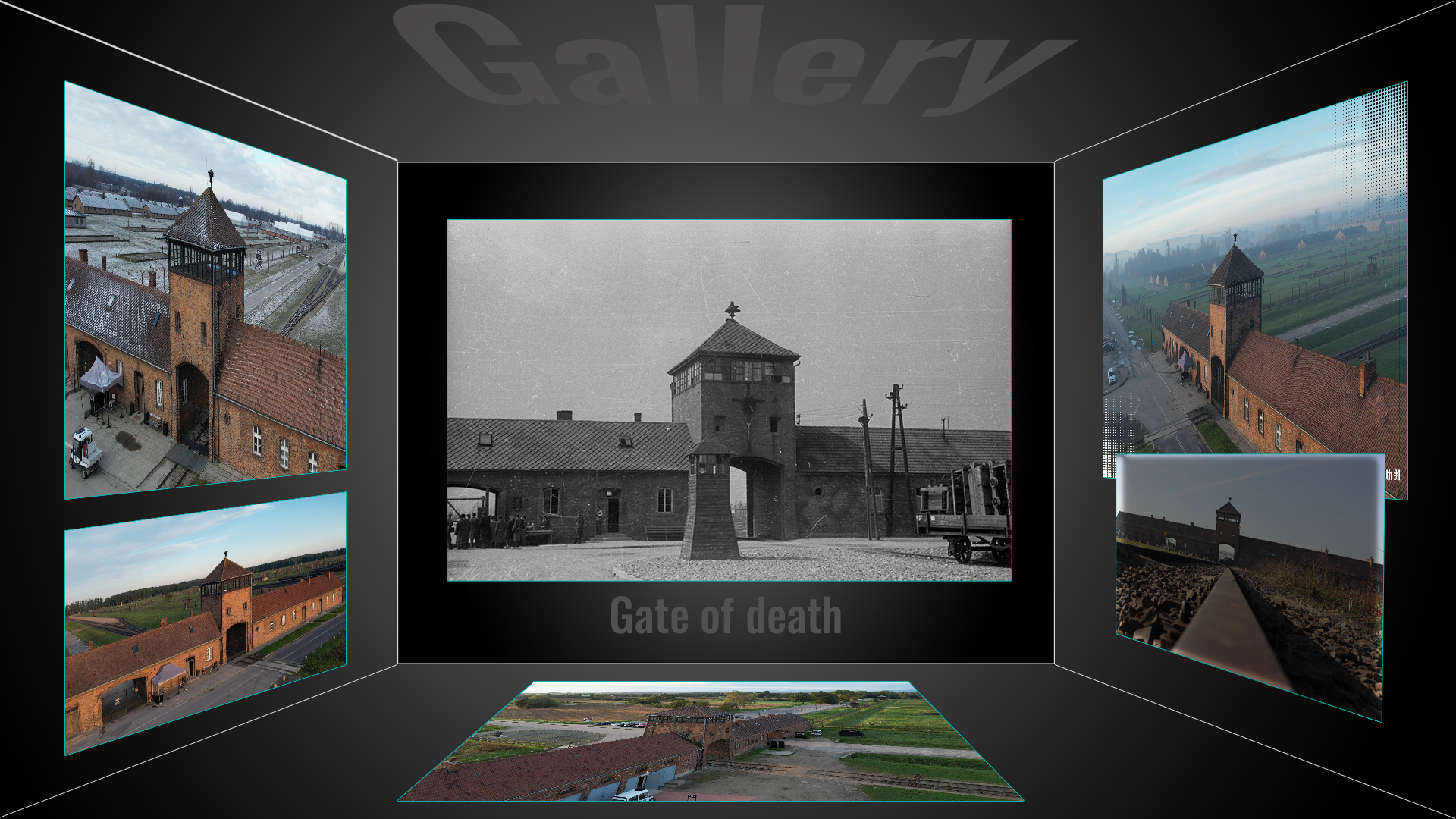 Photo Slider 06
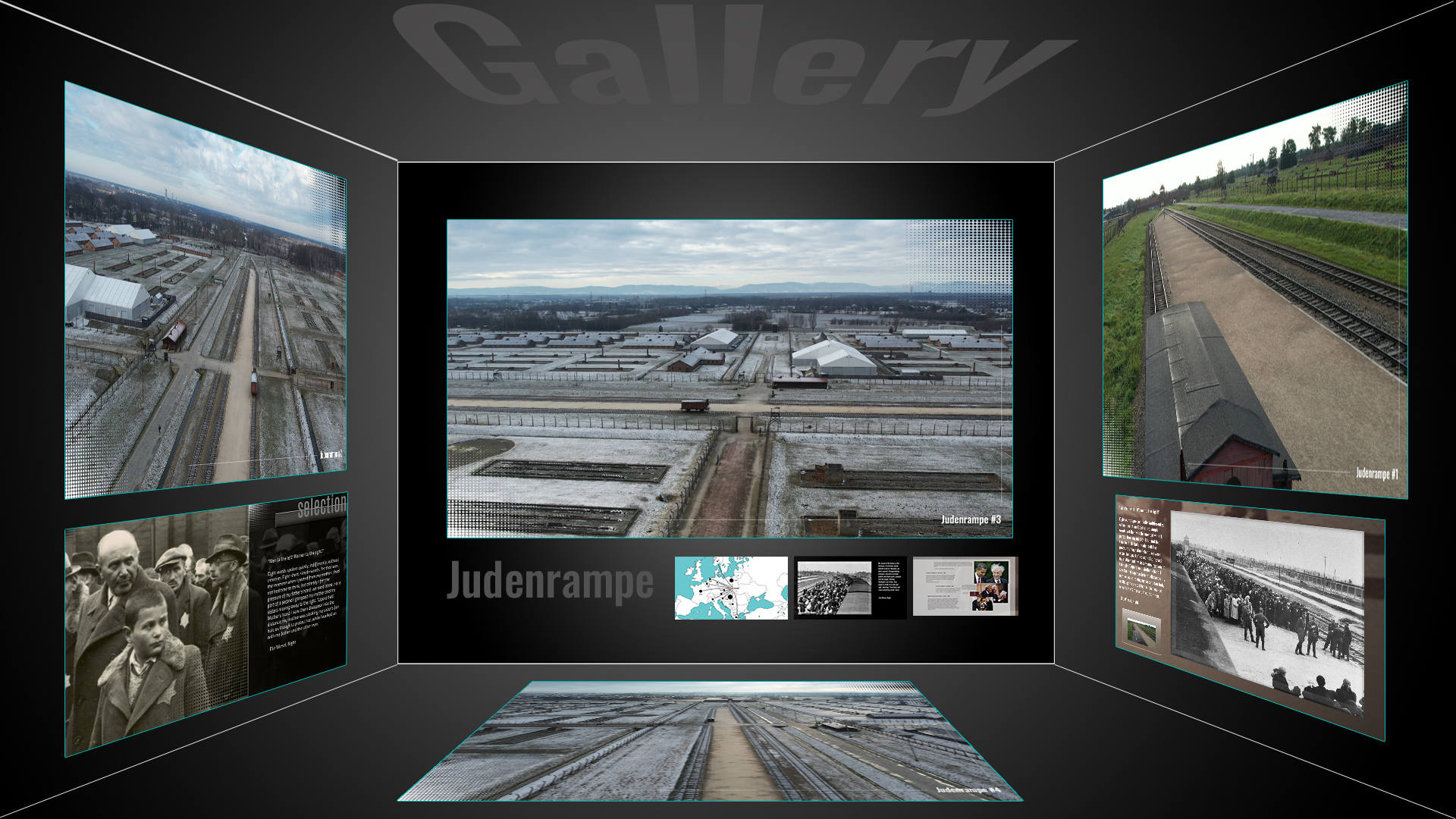 Photo Slider 07
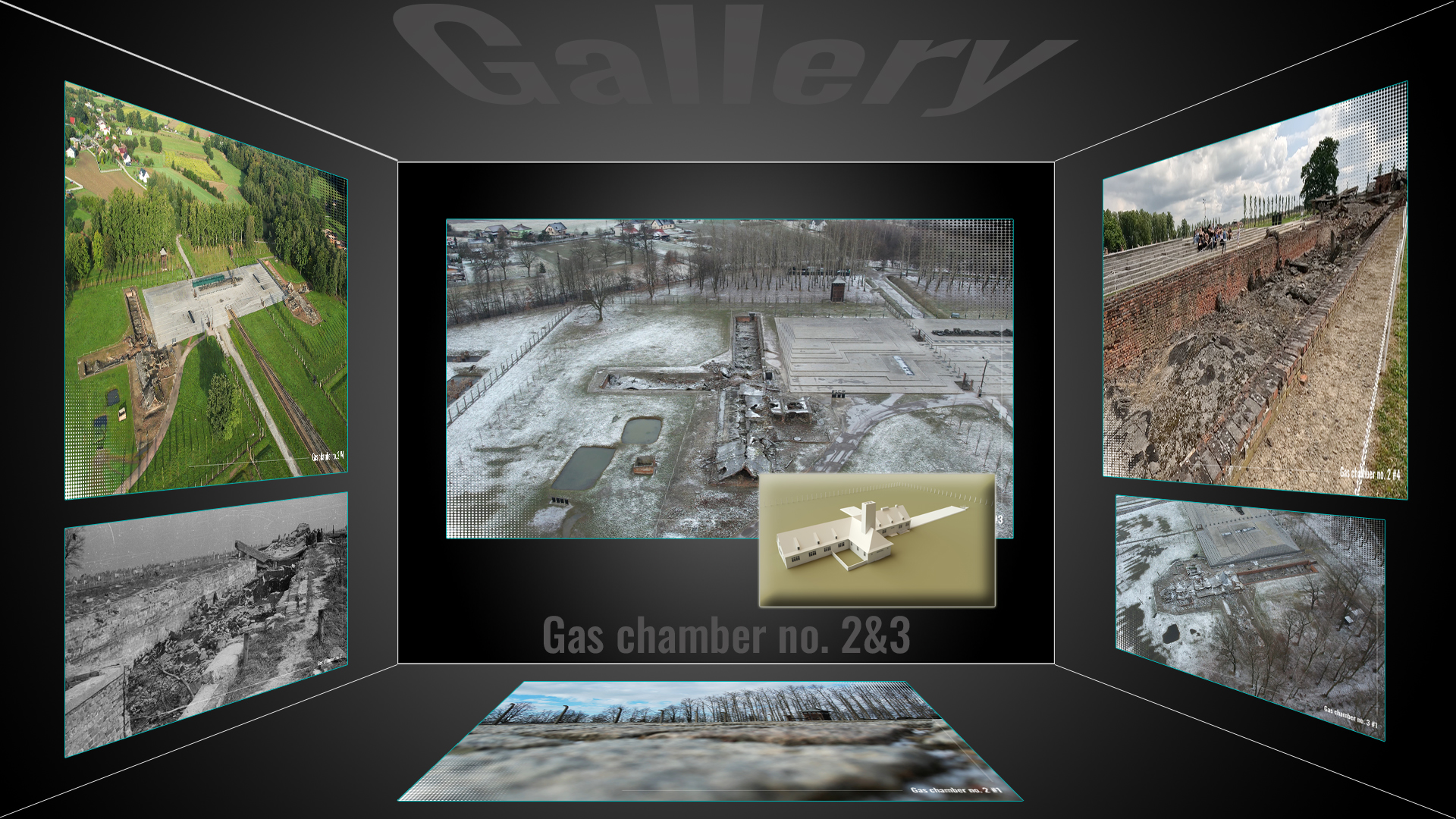 Photo Slider 08
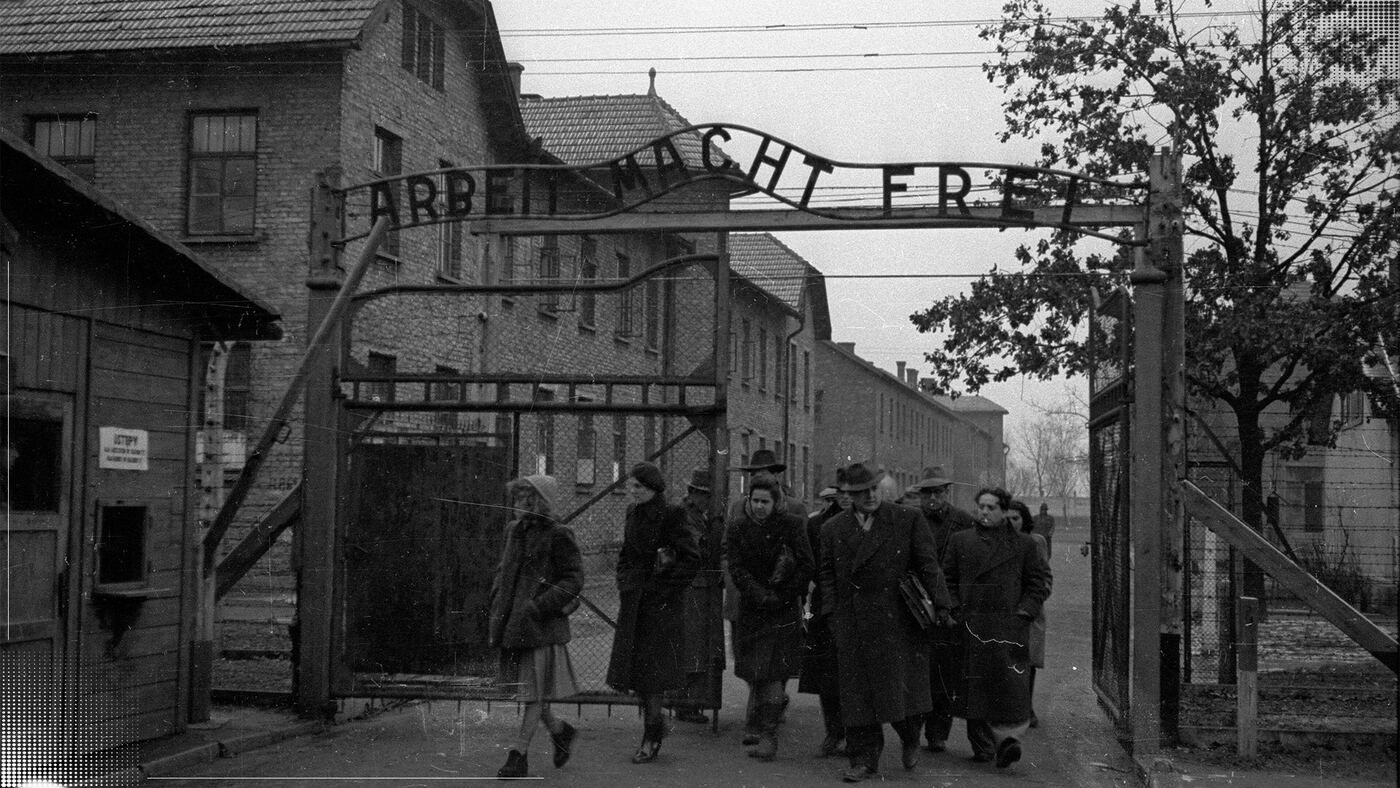 Gallery Photo 01
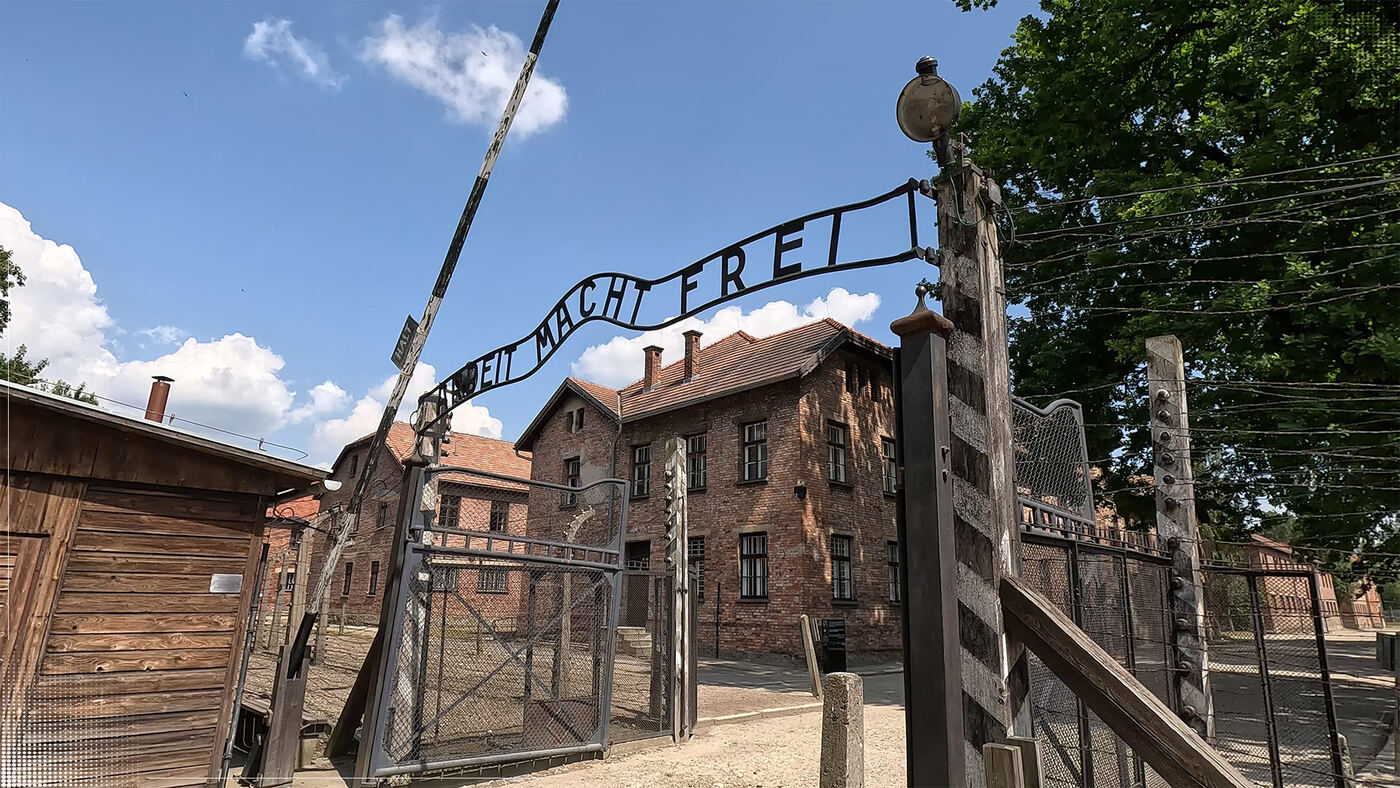 Gallery Photo 02
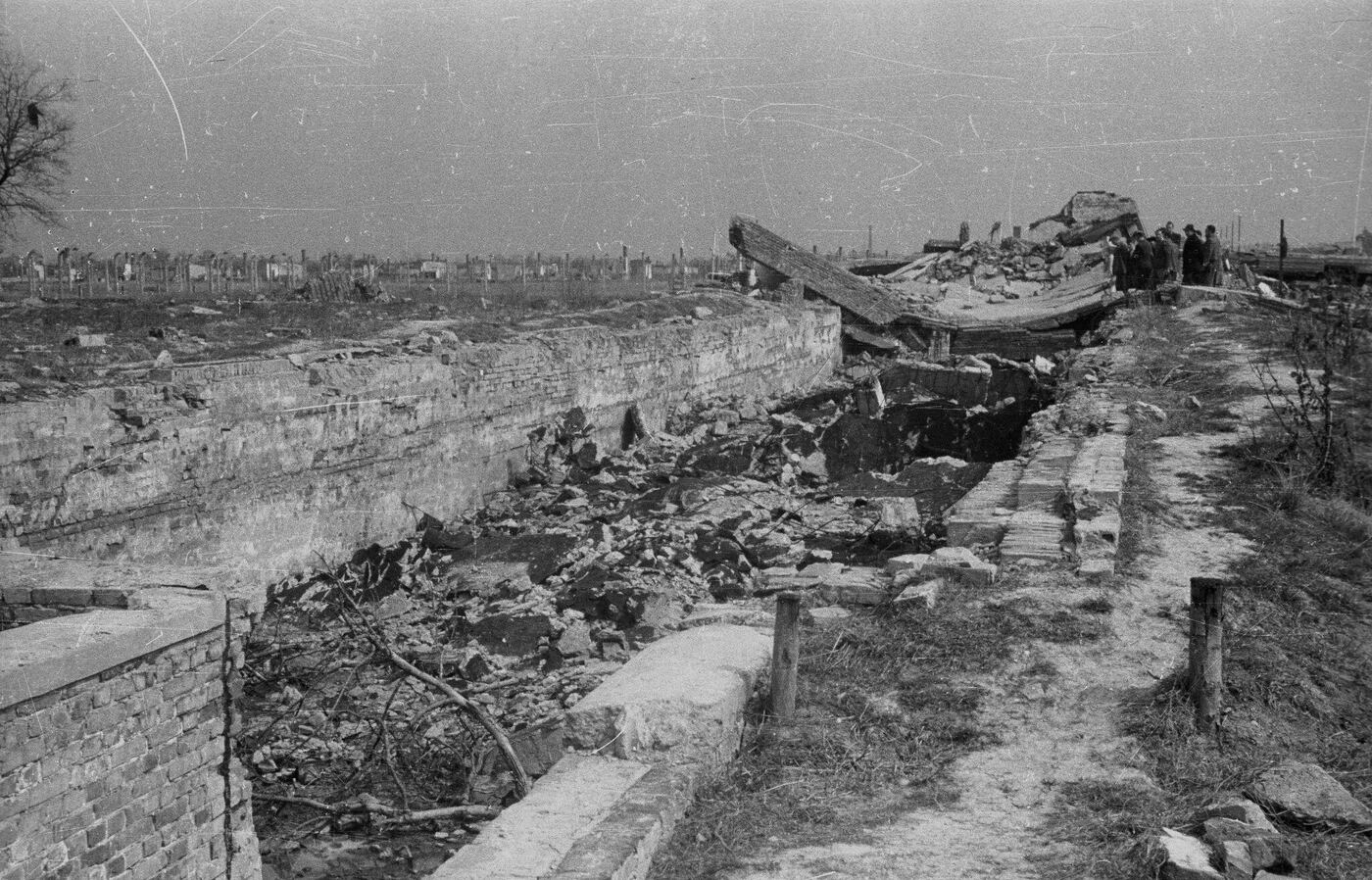 Gallery Photo 03
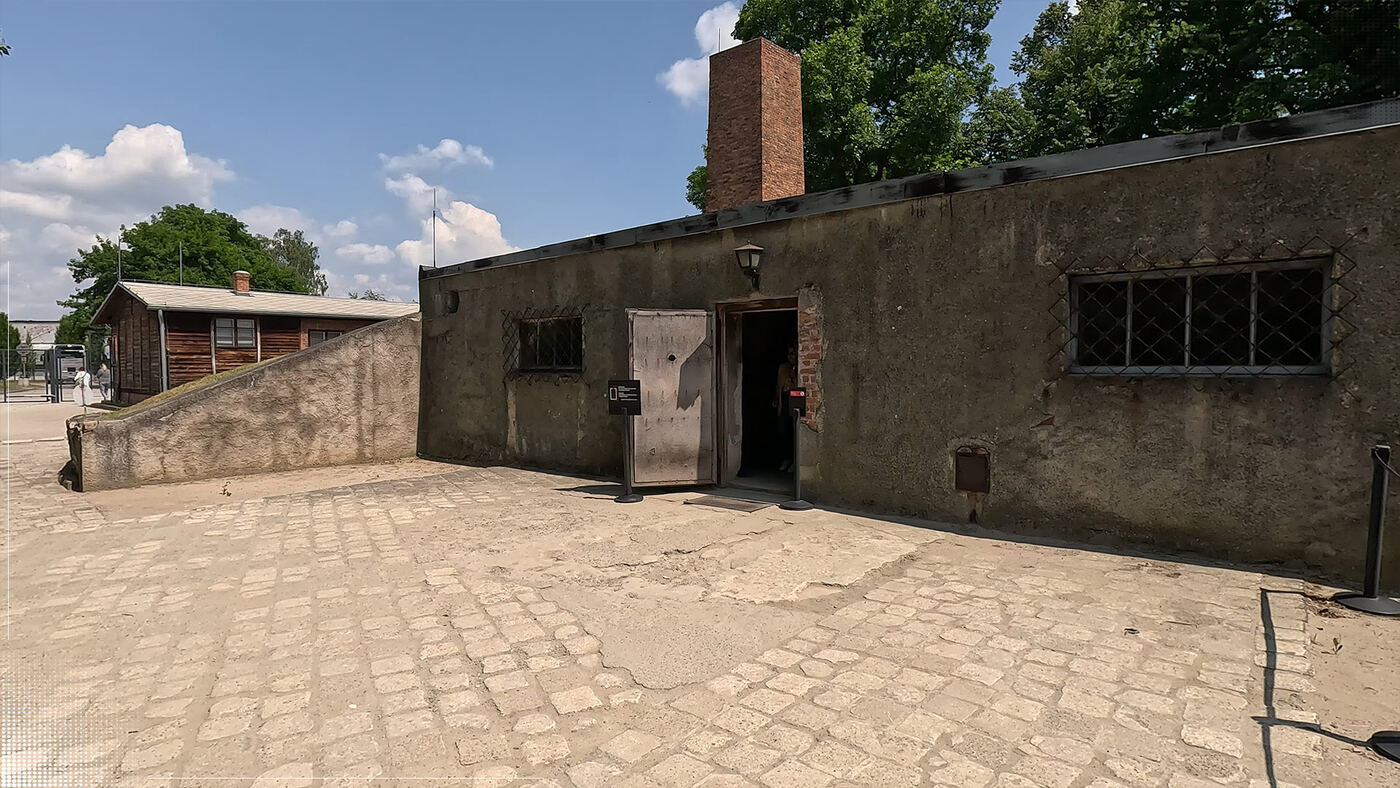 Gallery Photo 04
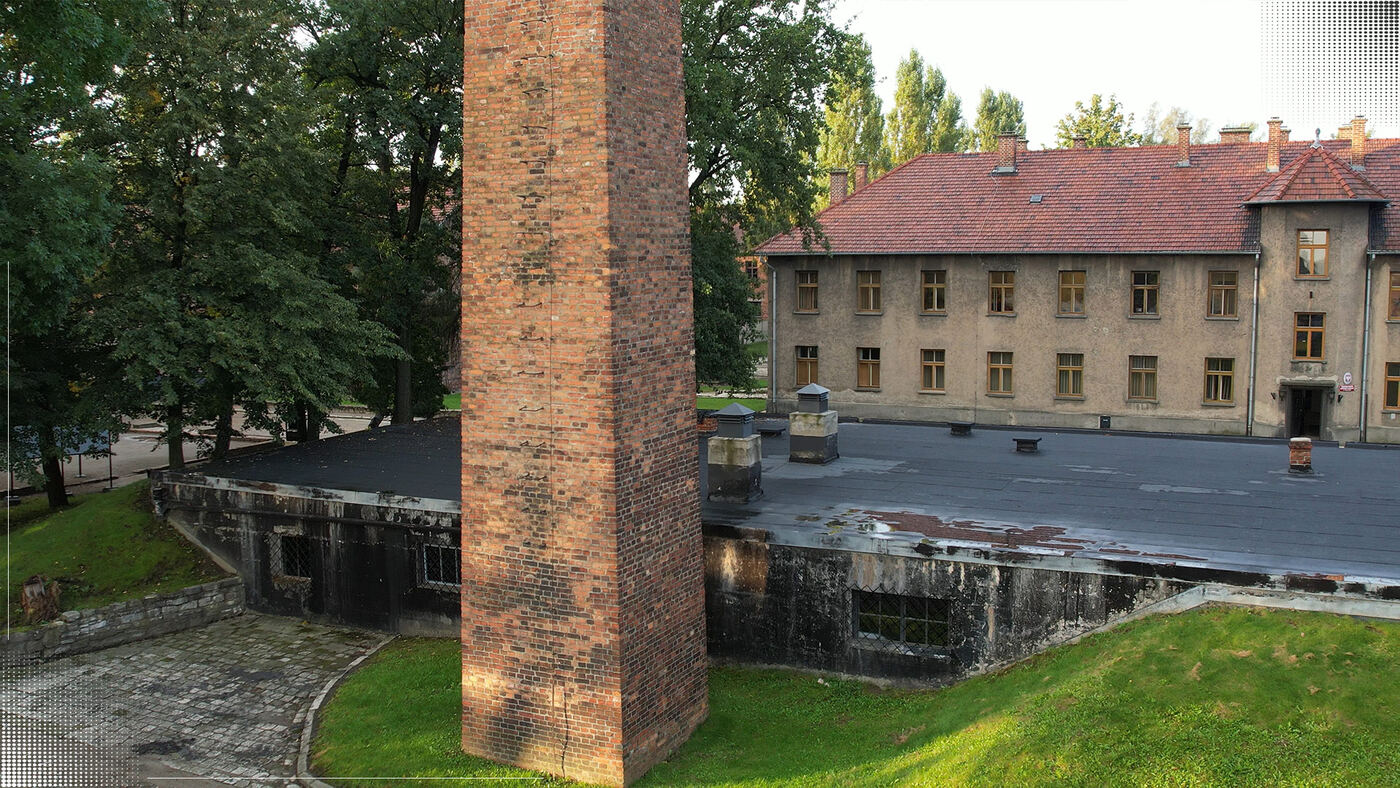 Gallery Photo 05
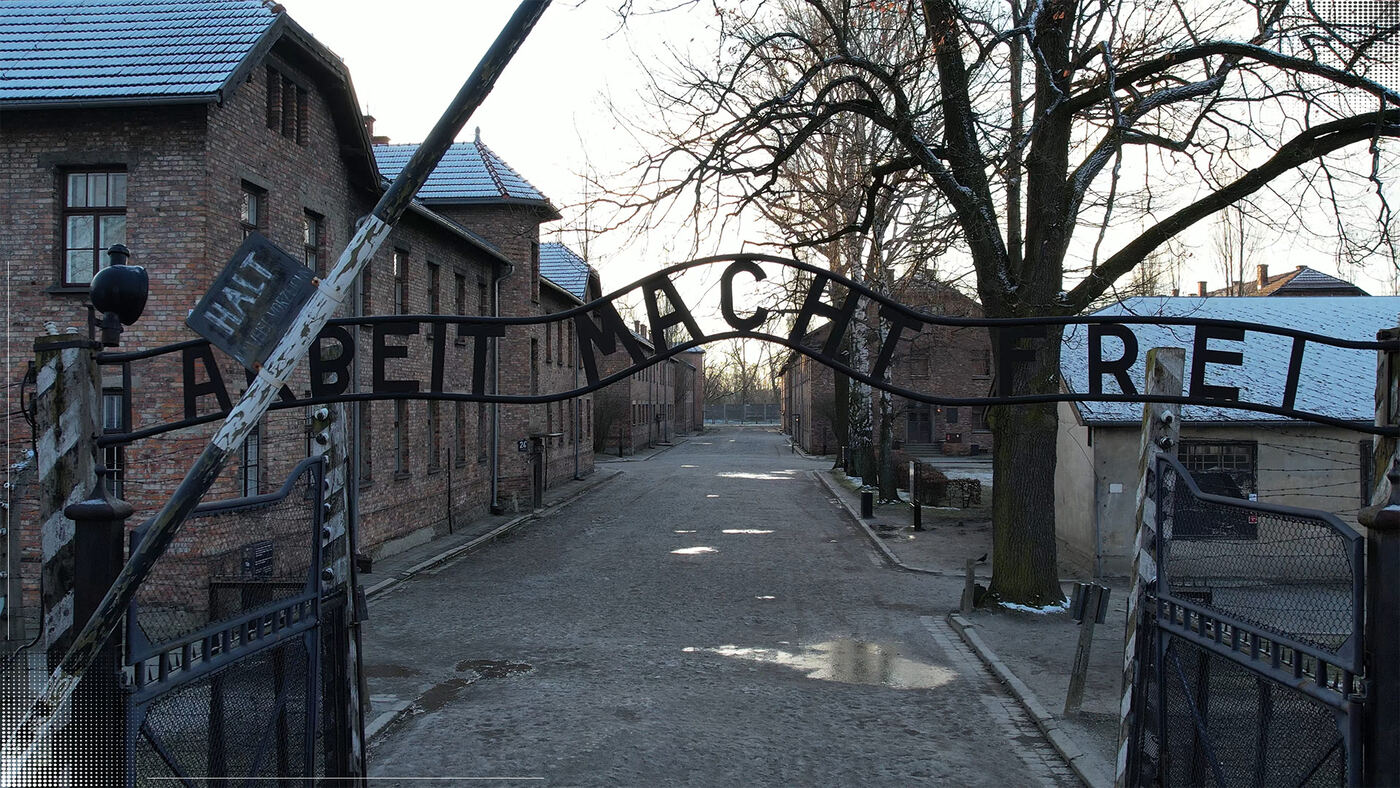 Gallery Photo 06
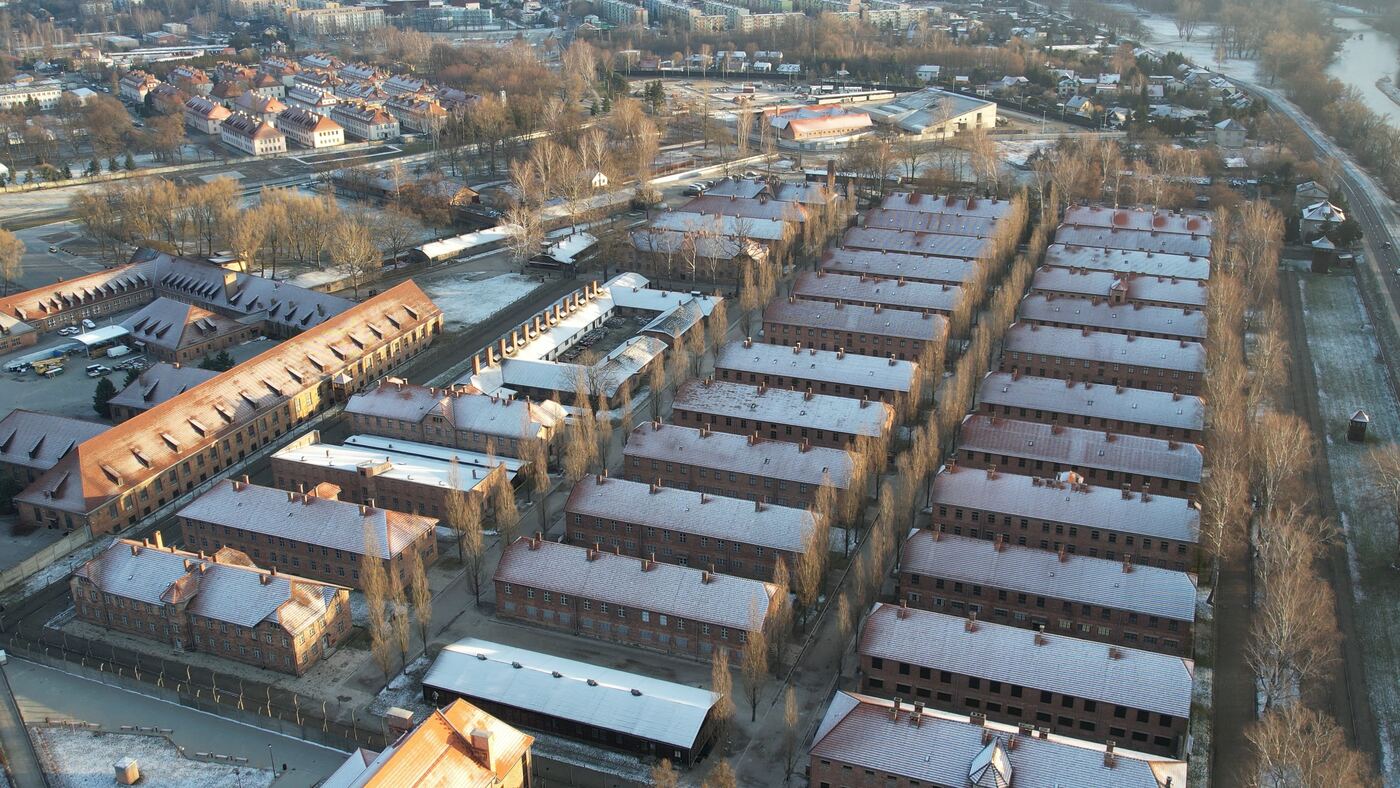 Gallery Photo 07
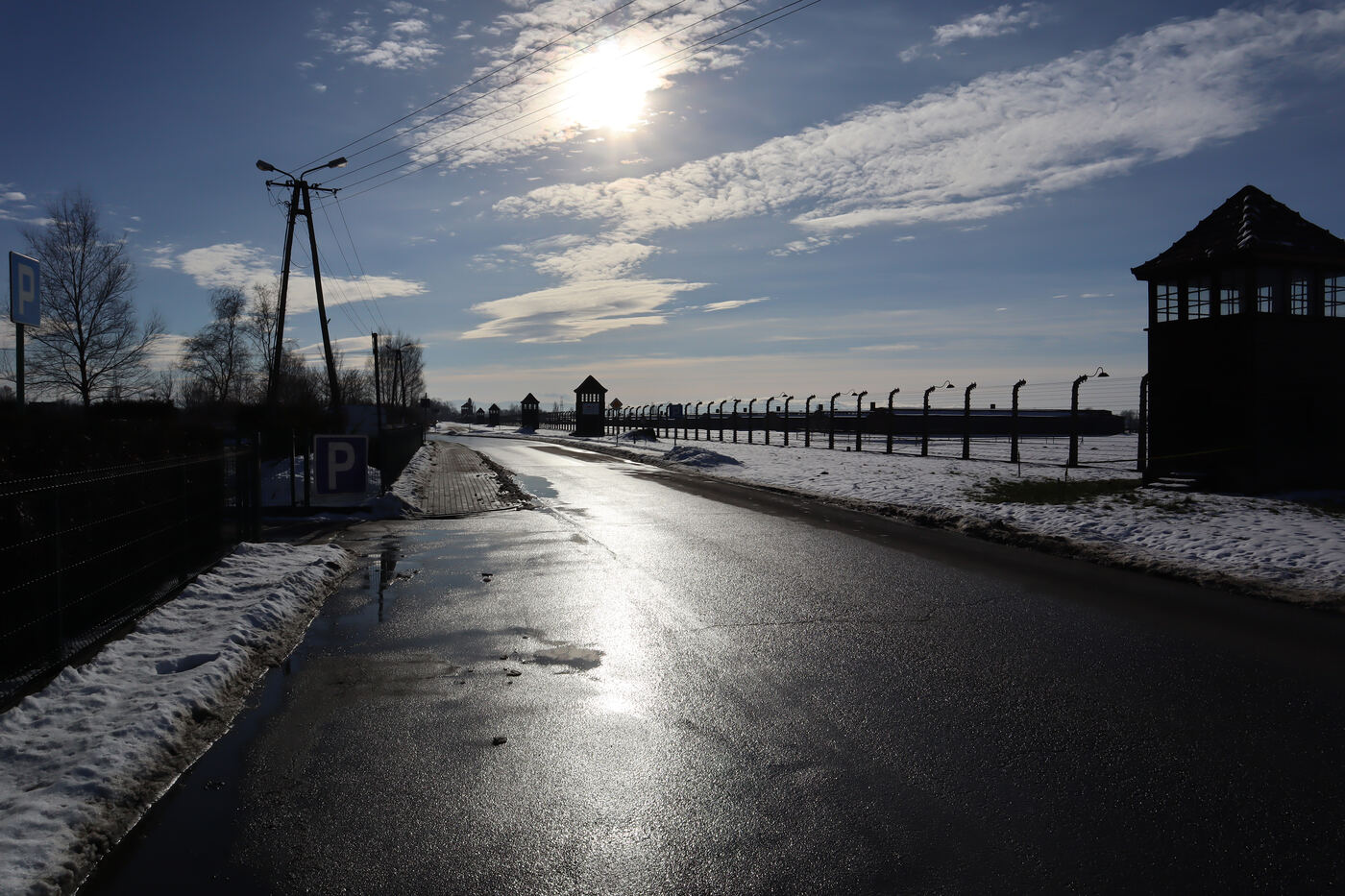 Gallery Photo 08
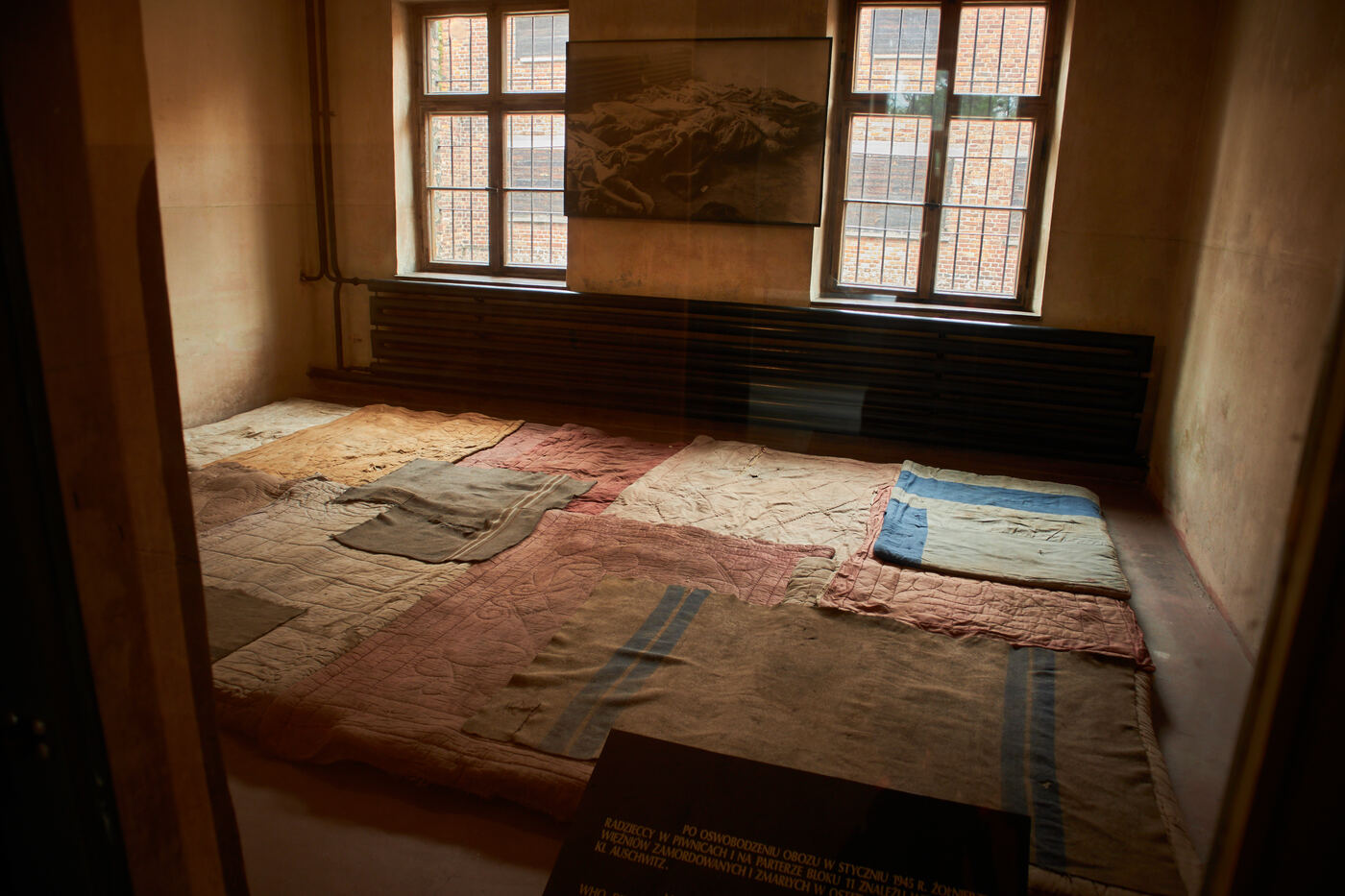 Gallery Photo 09
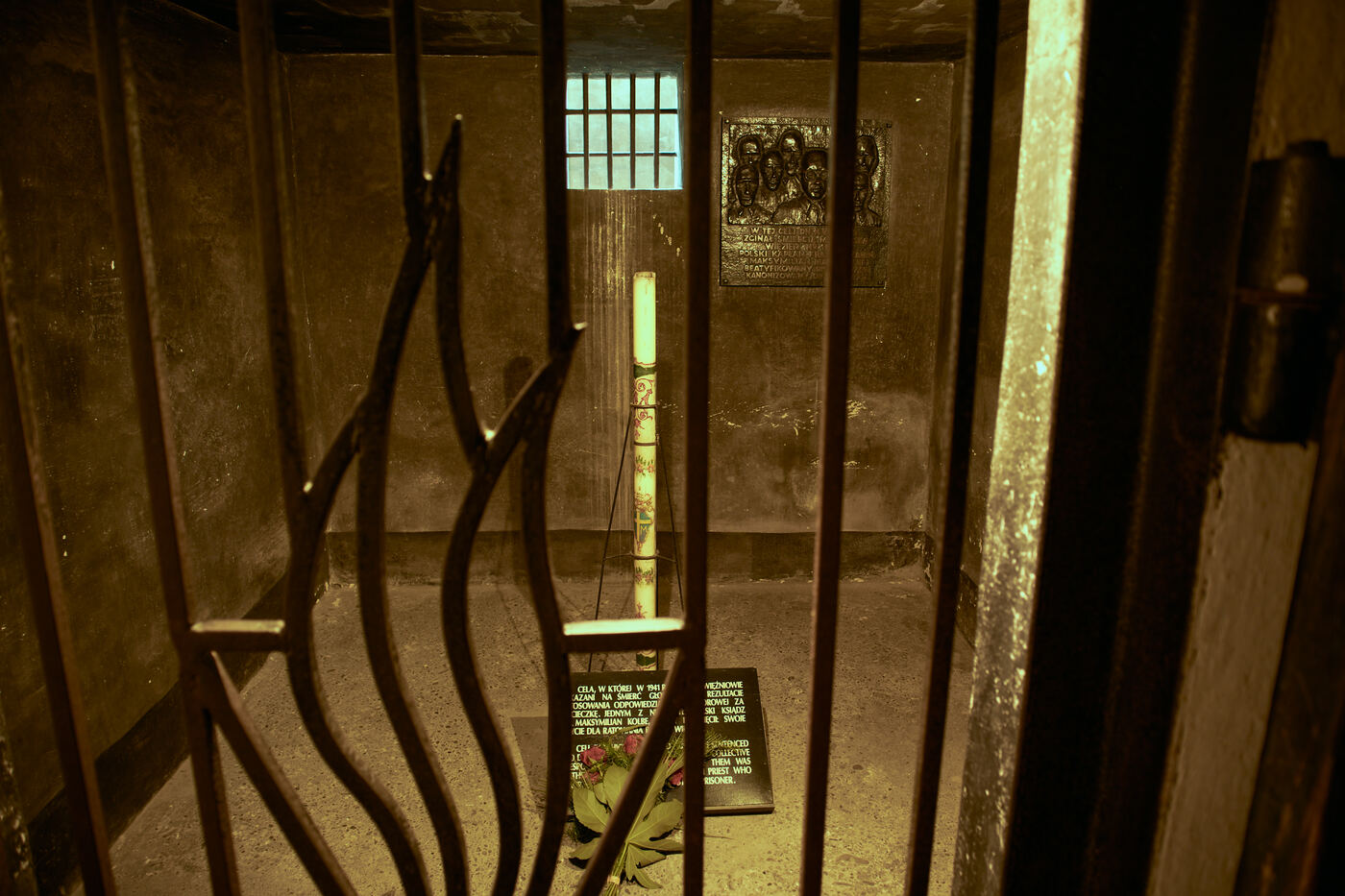 Gallery Photo 10
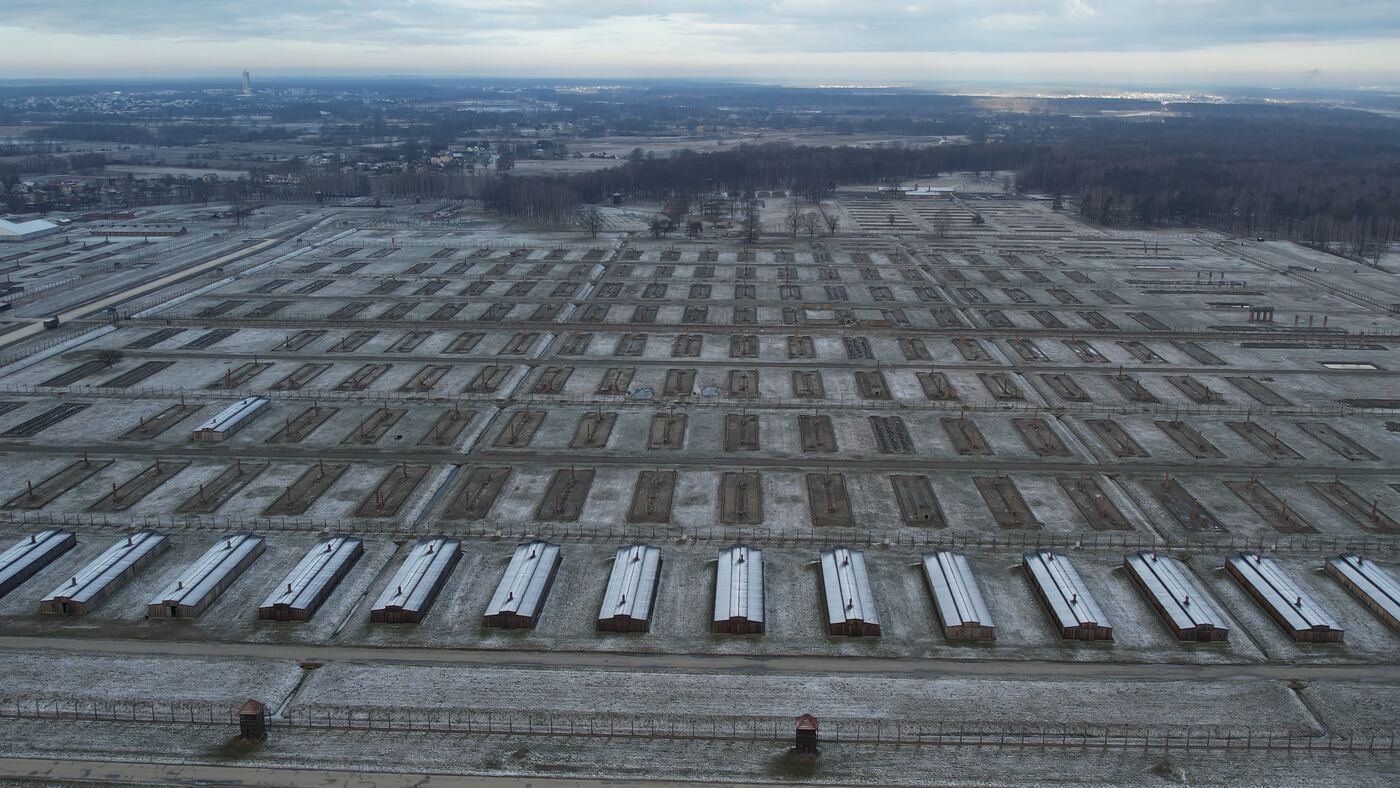 Gallery Photo 11
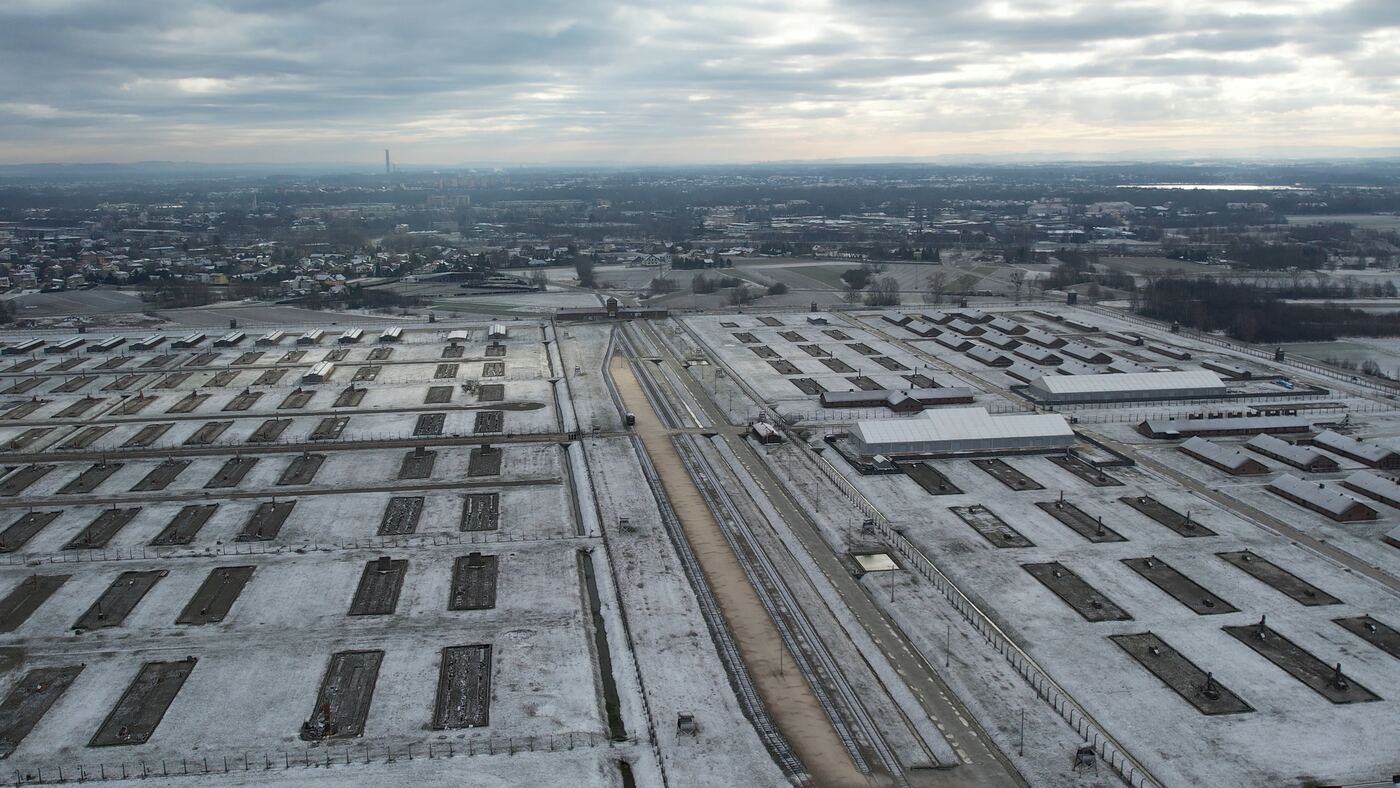 Gallery Photo 12