
Auschwitz-Nova
Auschwitz
Study Visit
An in-depth, on-site educational experience at the Auschwitz-Birkenau Memorial and Museum, led by an experienced guide and designed to inform, engage and inspire reflection.
To understand Auschwitz is to understand what human beings are capable of and what we must do to prevent it from happening again.Dr. Jerzy Wójcik
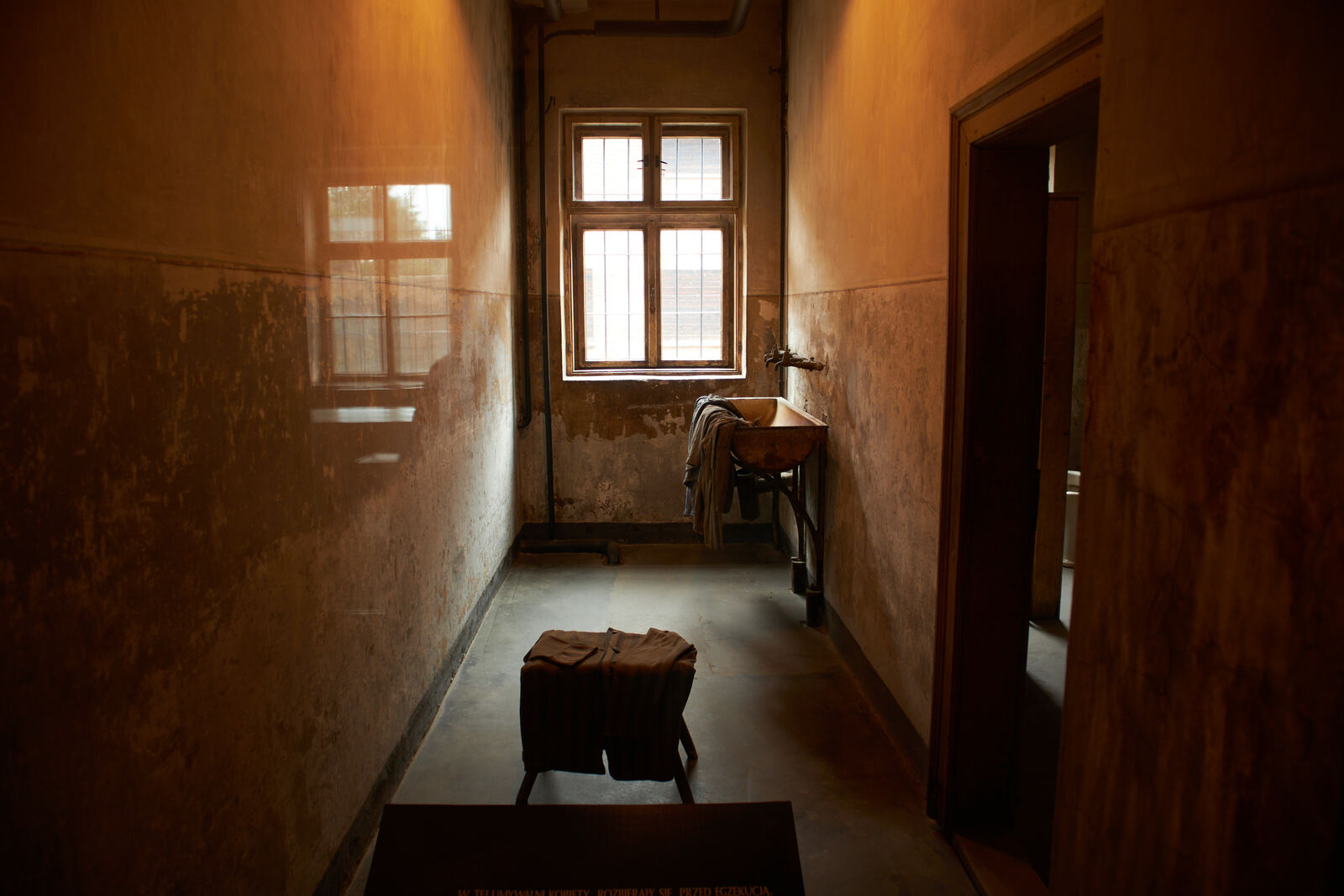
About the Study Visit
The Auschwitz Study Visit is a six-hour guided program that provides a deep and comprehensive introduction to the history of Auschwitz-Birkenau, the largest Nazi German camp complex.
The visit combines historical facts, personal stories and key sites, offering participants the opportunity to better understand the causes, process and consequences of the Holocaust.
See sample itineraryA place of memory.
A lesson for our time.
Walking through the original sites makes history tangible. It is a powerful experience that stays with participants long after the visit ends.
Program Details
A flexible format, adapted to your needs
DurationApprox. 6 hours at the Memorial, including a short break and transfer between sites. Travel to and from the Memorial is additional.
AudienceStudents, teachers, universities, community groups and institutions.
FormatAuschwitz I, Auschwitz II-Birkenau, selected exhibitions and extended discussion.
TransportWe can assist with transport arrangements from Kraków or other locations.
LanguageEnglish. Other languages on request.
Educational programs for
Young & Adult
Students Teachers &
Educators Business
Leaders Politicians &
Policymakers Military &
Security Media &
Journalism Public
Administration
Students Teachers &
Educators Business
Leaders Politicians &
Policymakers Military &
Security Media &
Journalism Public
Administration
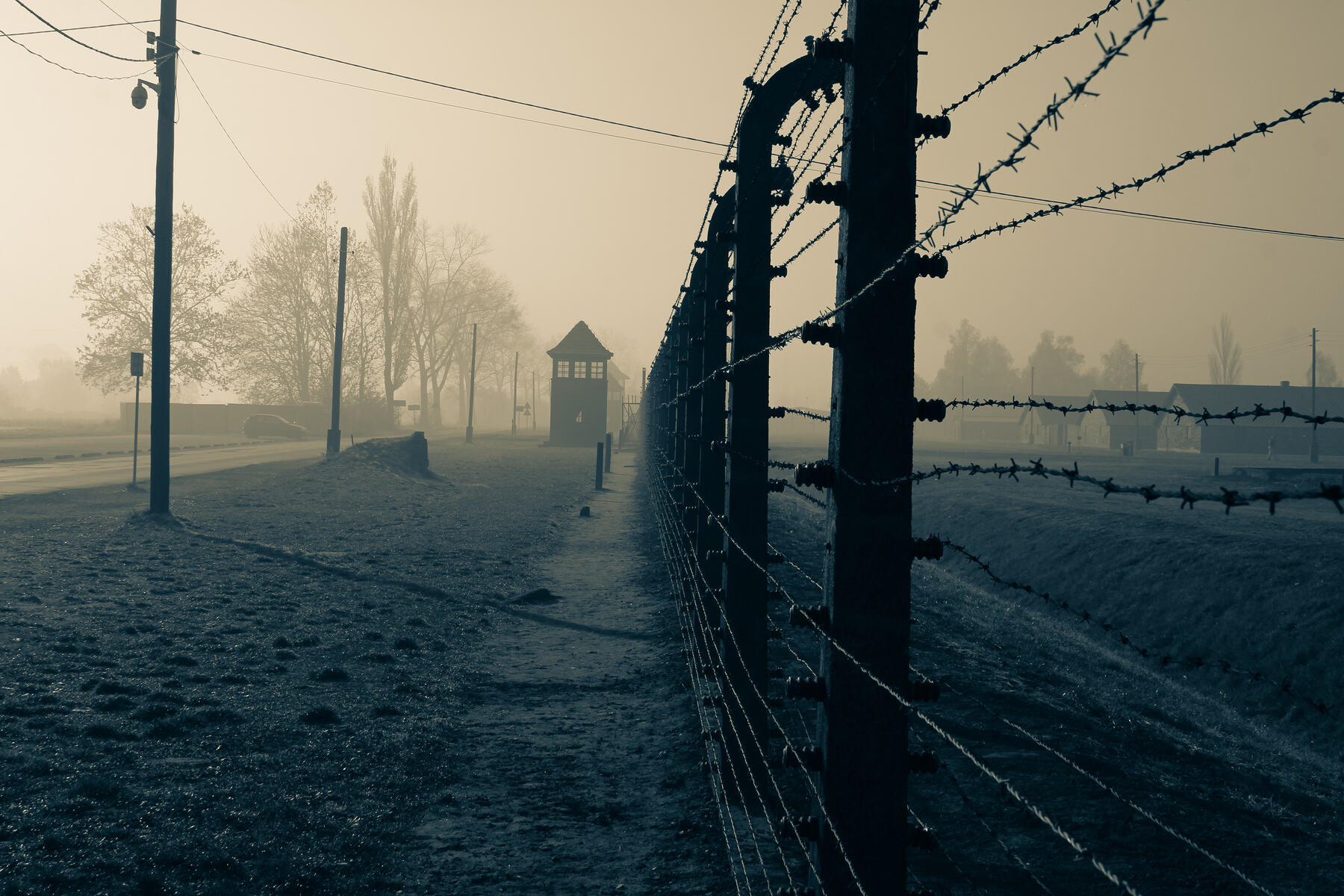
Sample Itinerary
Approx. 6 hours on site
Illustrative schedule with transport from Kraków: 08:00 departure, 09:30–15:30 at the Memorial (approximately 6 hours, including a short break and transfer between sites), and an estimated return to the hotel at 17:00. The whole day takes approximately 9 hours. Entry times, traffic and the agreed route may change this schedule; transport arrangements are confirmed individually.
Departure from the hotelMeeting with the educator or group leader, short practical briefing, departure toward the Auschwitz-Birkenau Memorial and Museum.
Entrance procedure and historical framingSecurity check, headset distribution, orientation at Auschwitz I and an introduction to the Nazi German camp system, deportations and the development of Auschwitz.
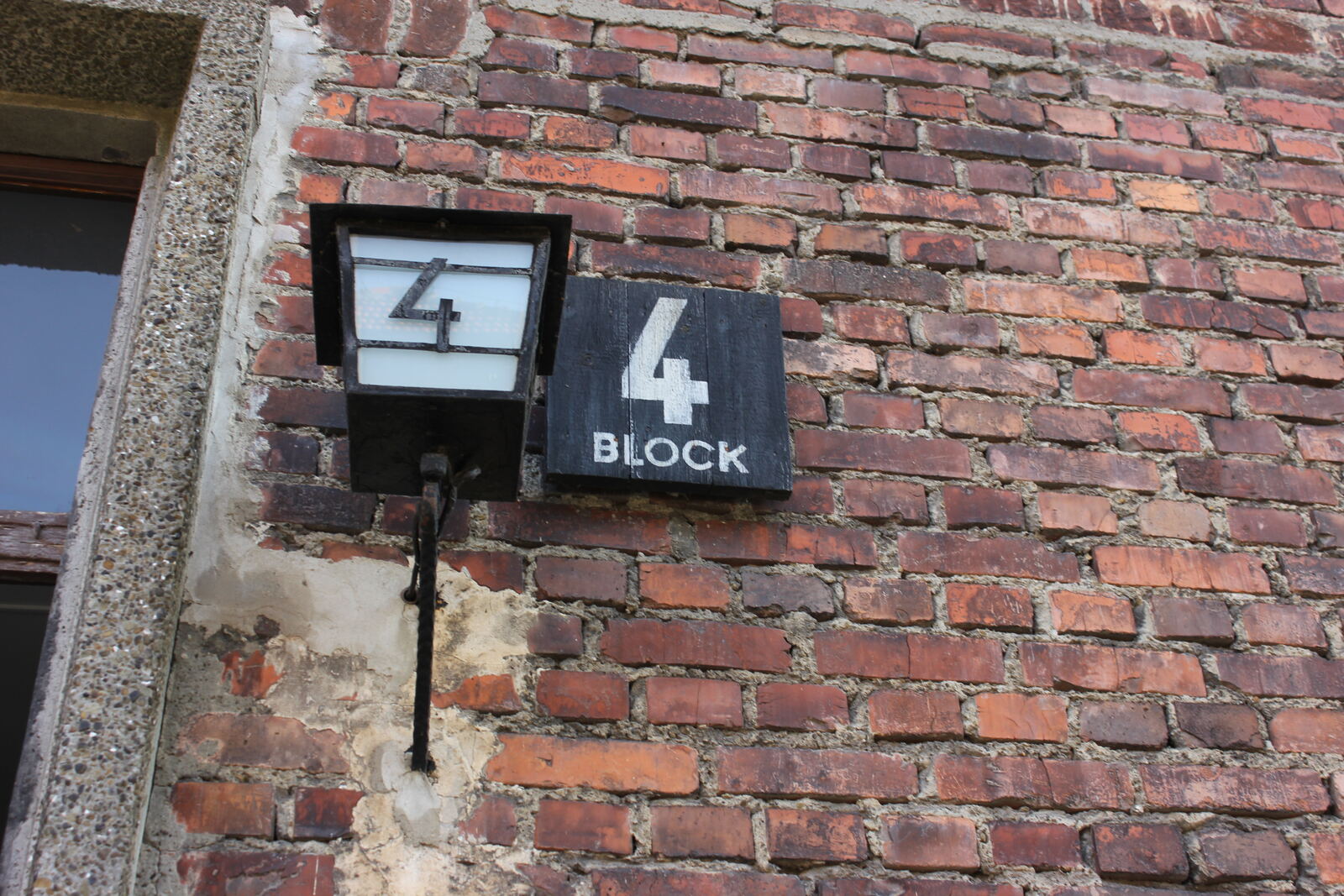
Selected blocks and permanent exhibitions The first part of the route focuses on the main camp, prisoner life, terror, forced labor, the process of dehumanization and preserved evidence. Block 4Block 5Block 8Block 9Block 11Gas chamber Explore the blocksHide block descriptions+
Block 4 Deportation and extermination
At this stop, we work through the relationship between deportation and genocide. The educator helps the group connect what they see with the wider history, allowing time to ask how the evidence supports our understanding of Auschwitz.
Block 5 Evidence of the crime
We approach the objects on display as traces of people’s lives. The conversation asks what possessions can tell us about their owners, what remains unknowable, and how to discuss these objects without reducing a person to an exhibit.
Block 8 Understanding imprisonment
Our discussion in Blocks 8 and 9 centres on the person behind the prisoner number. In Block 8, we begin by considering how imprisonment disrupted identity, relationships and the ability to make choices about one’s own life.
Block 9 Questions of daily survival
Continuing the discussion begun in Block 8, we consider what it means to describe survival from the outside. The group is encouraged to ask questions carefully and to recognise the limits of comparing camp experience with ordinary daily life.
Block 11 The camp prison
Here we examine how punishment shaped prisoners’ lives and relationships. The educator places the spaces encountered within the wider camp system, while giving the group time to process the history before moving to the next stop.
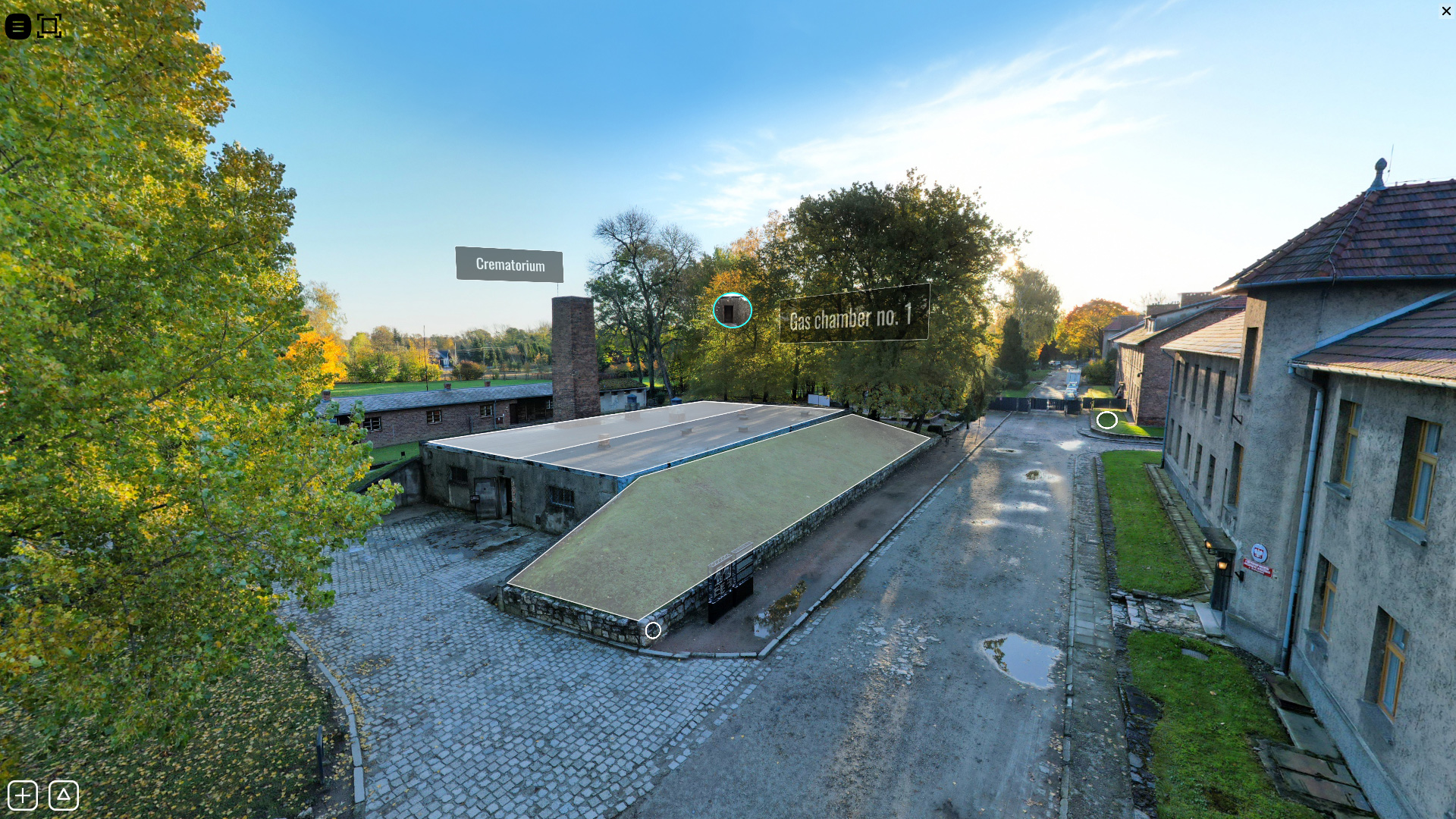
Gas chamber and crematorium I Auschwitz I
We pause to explain the building’s place in the history of Auschwitz I and how visitors should read the site today. Questions about evidence, preservation and reconstruction are addressed as part of the visit.
Block 11, the Death Wall and the former gas chamberA focused passage through spaces connected with camp punishment, executions, institutional terror and the first gas chamber and crematorium at Auschwitz I.
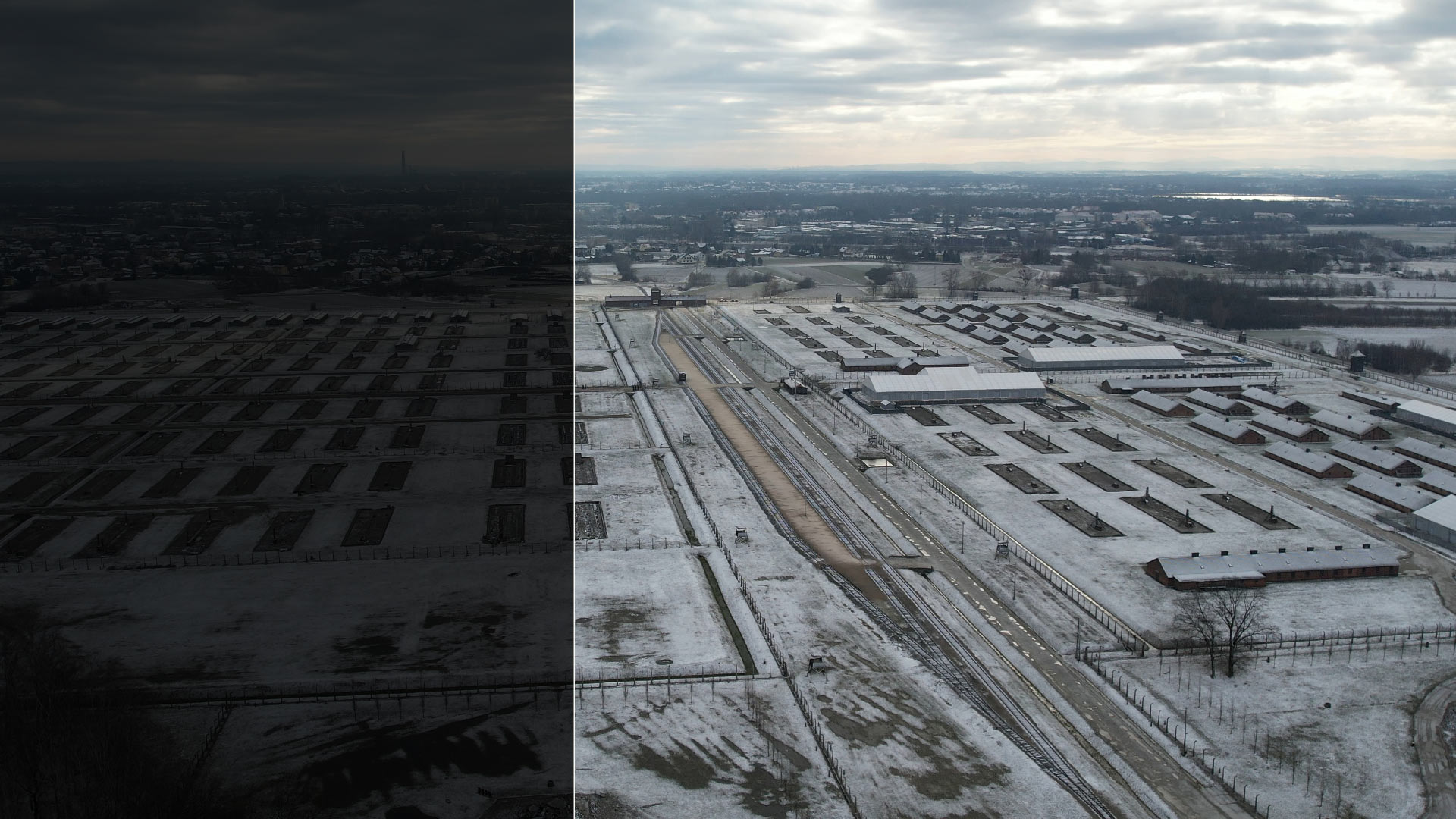
Short pause before Auschwitz II-BirkenauTime for a short break and transfer to Birkenau, with an introduction to the scale and function of Auschwitz II in the extermination process.
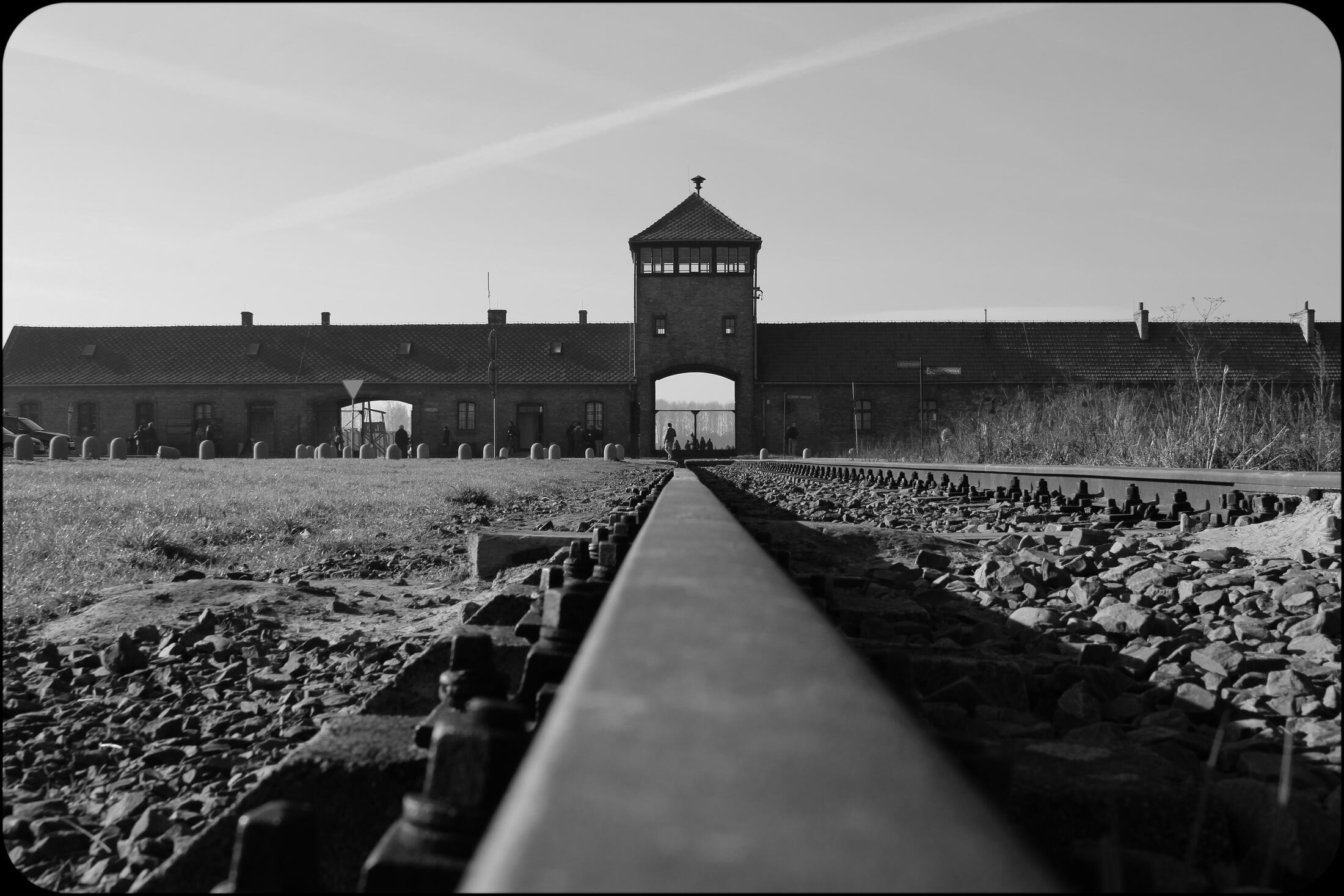
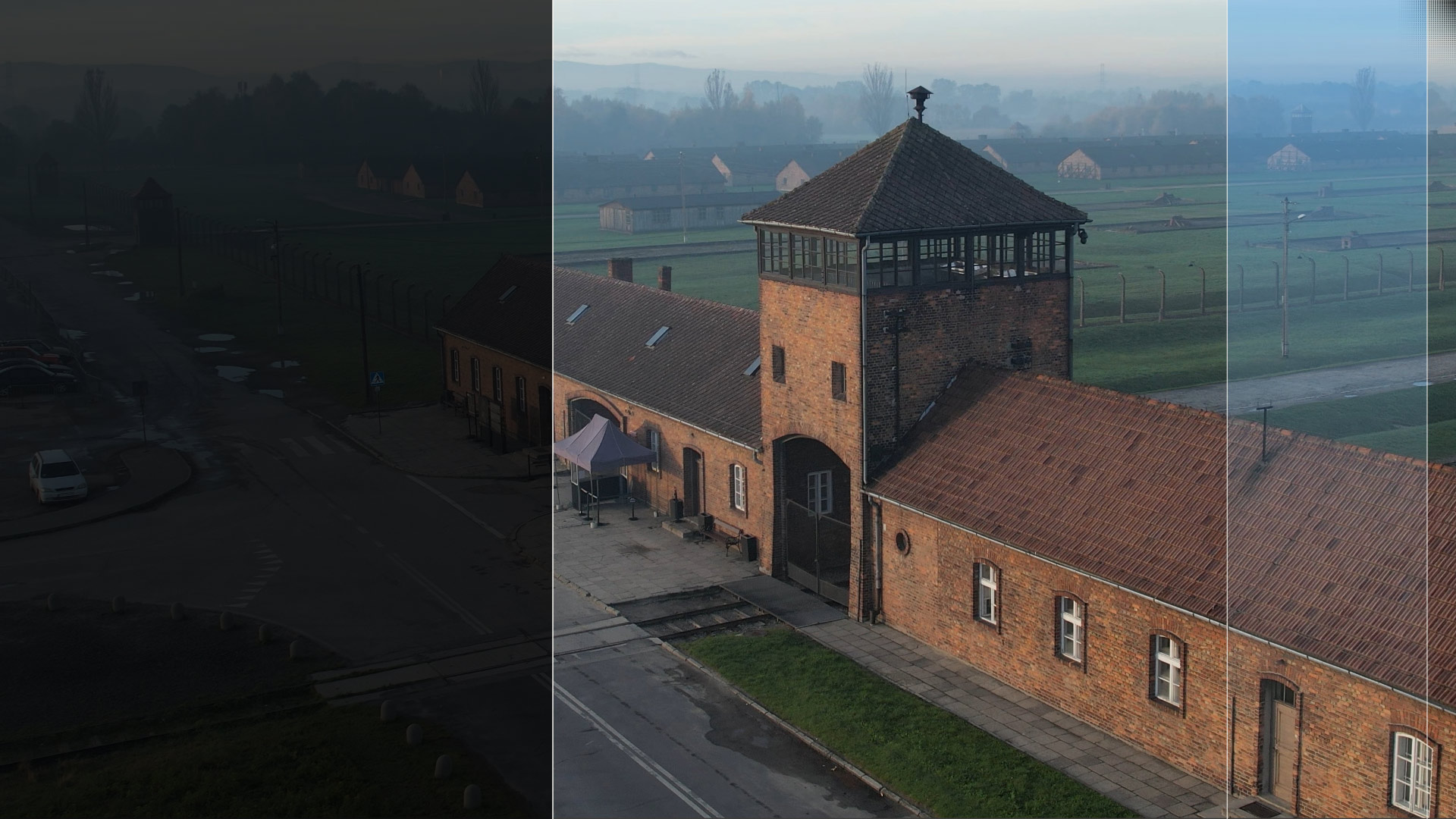
Gate, wooden barracks and JudenrampeThe Birkenau route explains deportation geography, selections, living conditions, the railway system and the preserved landscape of mass murder.Wooden barracksJudenrampeSelection area Explore the Birkenau routeHide descriptions+
Entrance gate The scale of Birkenau
This is an orientation point for the Birkenau part of our visit. We identify the places ahead, establish their relationship to one another and discuss why distance and scale matter when trying to understand what happened here.
Wooden barracks Living and sanitary conditions
Inside the barracks, we bring the discussion from the scale of the camp to the space available to an individual prisoner. We consider shelter, privacy and basic needs, relating the physical setting to the questions raised by the group.
Judenrampe The earlier unloading ramp
We explain why the Judenrampe and the ramp inside Birkenau must be treated as distinct places. The group follows the geography of arrival and considers how a railway location became part of the experience of deportation.
Railway ramp and selection area Arrivals inside Birkenau
At the ramp, we discuss arrival from the perspective of people who did not know what awaited them. The educator explains selection and family separation, connecting the railway setting with the subsequent fate of deportees.
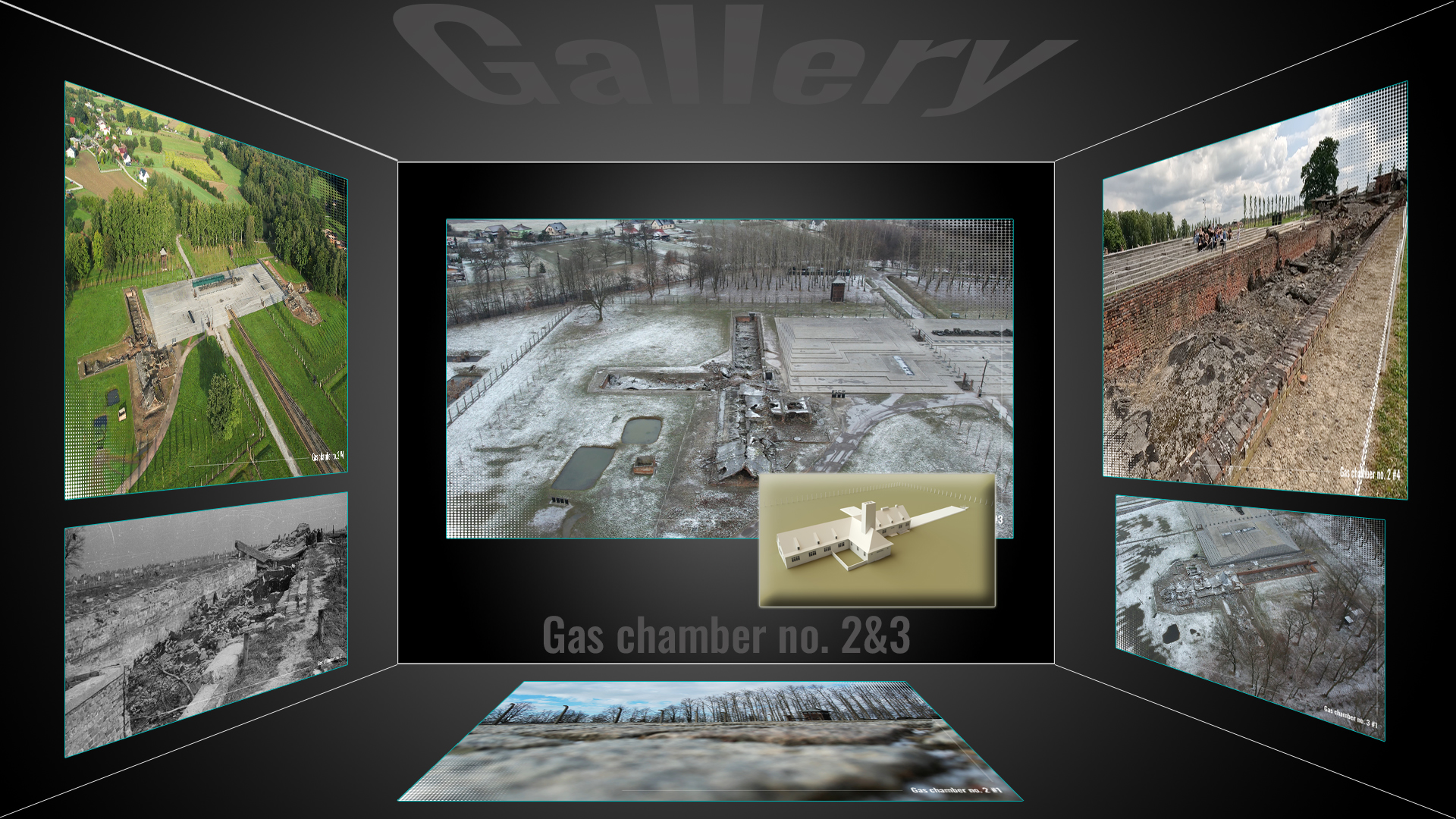
Gas chamber and crematoria ruins II, III, IV and VThe final extended route leads through the central extermination area, the ruins of gas chambers and crematoria, and spaces of commemoration and closing reflection.Ruins IIRuins IIIRuins IVRuins V Explore the ruins and memorialHide descriptions+
Ruins of gas chamber and crematorium II Evidence of mass murder
We help visitors orient themselves among the remains and understand what can still be read in the site. The explanation connects the visible structures with the history of the people murdered here and the evidence used to reconstruct events.
Ruins of gas chamber and crematorium III Reading the surviving site
This stop offers time to deepen the discussion rather than repeat a list of facts. We consider how historical knowledge is built from surviving traces, and why looking at ruins requires explanation, context and care.
Ruins of gas chamber and crematorium IV The Sonderkommando revolt
Our focus here is the Sonderkommando revolt and the circumstances in which resistance took place. The discussion avoids easy judgements about prisoners’ choices and examines what meaningful resistance could mean under extreme coercion.
Ruins of gas chamber and crematorium V Destruction before liberation
Here we connect the history of the killing facilities with the final period of the camp. We discuss attempts to erase evidence and why preserving the remains matters for historical understanding and remembrance.
Memorial space Commemoration and reflection
The closing conversation draws together questions raised during the day. Participants may share a reflection, ask a final question or simply take time in silence. The educator can suggest themes for further discussion after the visit.
End of the on-site programClosing reflection and departure for Kraków after approximately 6 hours at the Memorial. The route and selected stops are agreed in advance to fit the available time.
End of the day with transportEstimated return to the hotel in Kraków, subject to traffic and the agreed pickup location. Return travel is additional to the approximately 6-hour Memorial program.
Study route
How we will move through the site
The red line follows the study route through Auschwitz I first, then moves with the map toward Auschwitz II-Birkenau.
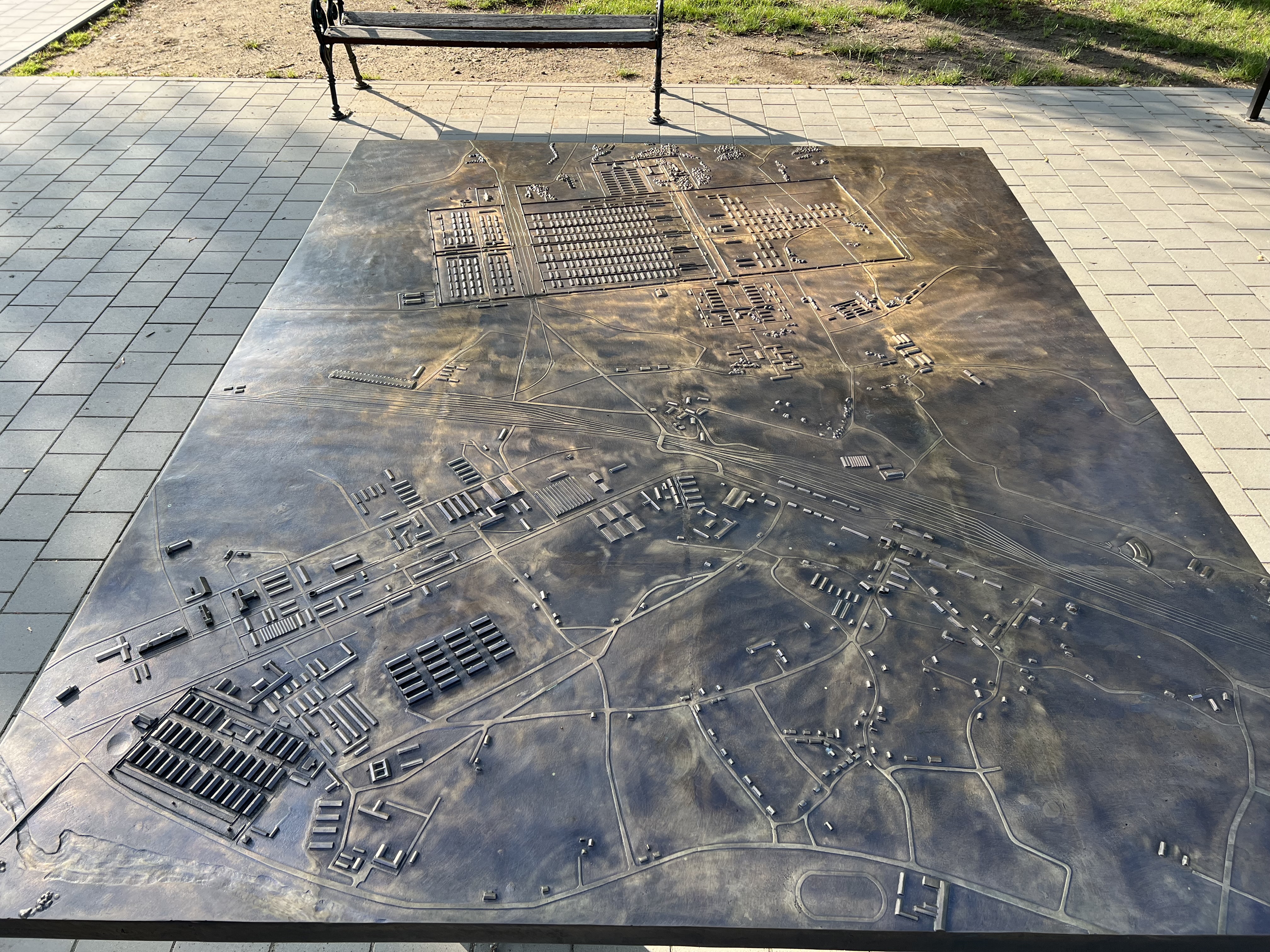
Animated walking route
7 Target Groups
Students
History becomes a lens for choices, exclusion, dehumanization and civic responsibility.
01Students
History becomes a lens for choices, exclusion, dehumanization and civic responsibility.
02Teachers
Teachers receive tools, context and guidance for discussing difficult history responsibly with students before and after the visit.
03Business
The program opens conversations about ethics, organizational culture, decision-making and institutional responsibility.
04Policymakers
Auschwitz becomes a warning about power, language, institutional erosion and responsibility for public decisions.
05Security
The visit addresses orders, obedience, dignity, dehumanization and responsibility in security contexts.
06Media
The program supports reflection on language, images, narratives and responsible public communication.
07Administration
Public service is explored through law, procedures, dignity, prevention and the consequences of exclusion.
What Participants Say
Our experience was truly one of those "before-and-after" ones in a lifetime, without any exaggeration. Your tactfulness -- always speaking at the right time, in the right tone, with the right words and making breaks exactly at the right times --, your insights and your combination of uncompromising clarity and humanity, are all important reasons why the tour left such a lasting impression on us, which is actually growing and morphing every day.
Our conversations about the present times and the echoes of that terrible past that we are now hearing were also very important to us.
We could not leave you without conveying to you our personal and heartfelt thanks for all of this.
Nina and Elliott
Let's Plan Your Study Visit
We will help discuss your needs, possible dates and logistics.
Contact usQ&A
A standard Auschwitz Study Visit lasts approximately 6 hours at the Memorial, including a short break and transfer between Auschwitz I and Auschwitz II-Birkenau. Travel to and from the Memorial is additional. The schedule can be adjusted to the group size, entry time, weather conditions and educational goals.
The program includes Auschwitz I, Auschwitz II-Birkenau, selected exhibitions, guided historical framing, time for questions and closing reflection.
Yes. The visit can be combined with a preparatory lecture, follow-up discussion, online meeting or additional educational materials for the group.
Contact us with your preferred date, group size, age range, language and educational goals. We will discuss availability, format and logistics.